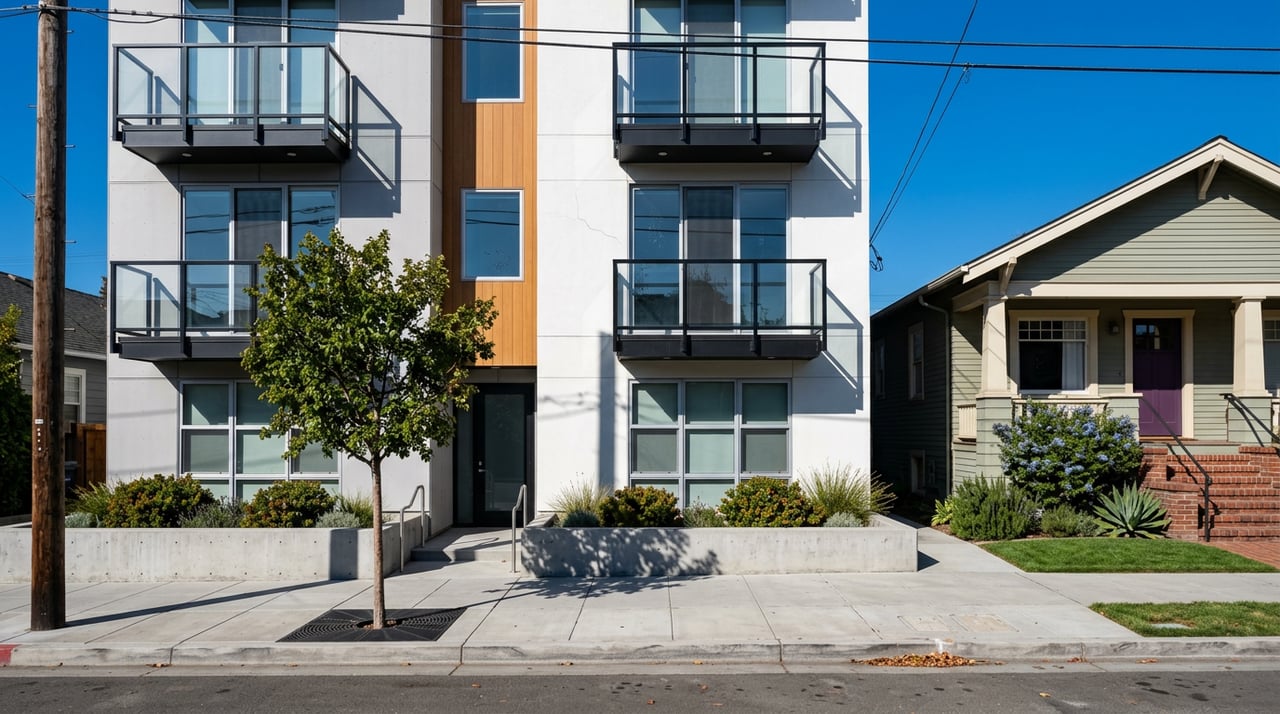
Trying to decide between an Oakland condo and a single-family home? You are not alone. Budget, time, lifestyle, and long-term plans all matter, and each option trades cost for convenience in different ways. In this guide you will see the key differences, where each home type tends to show up in Oakland, how financing and HOA rules can affect your purchase, and a simple checklist to help you compare options with confidence. Let’s dive in.
Key differences at a glance
- Condos often cost less upfront and shift many exterior tasks to the HOA. You will pay monthly dues and follow community rules.
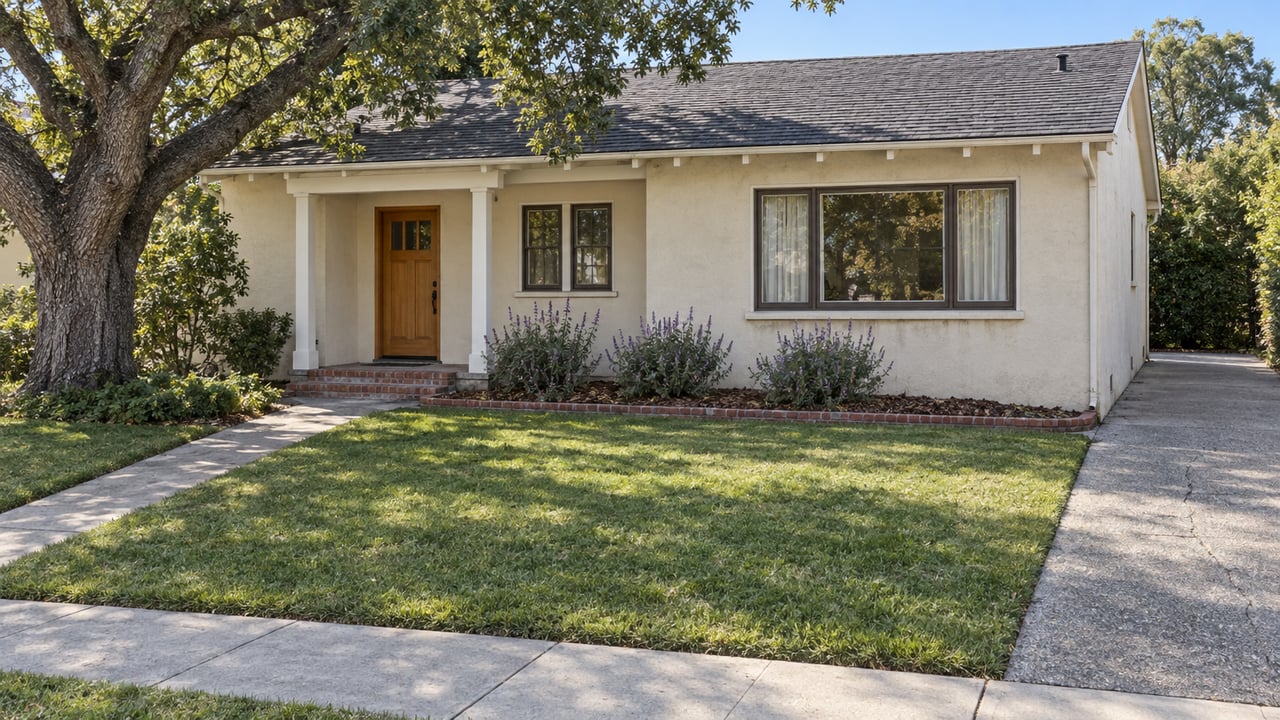
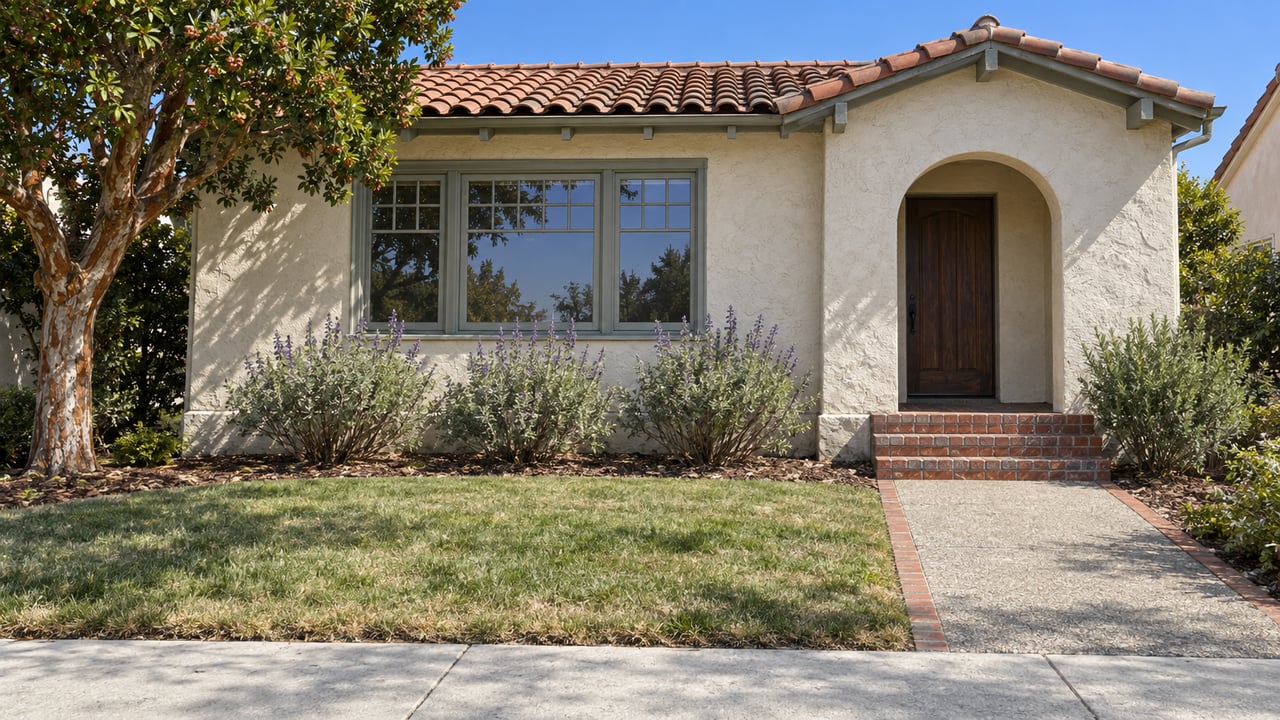
- Single-family homes usually cost more and give you more control, privacy, and outdoor space. You take on all maintenance.
- Financing for condos depends on the building’s approval status. Some projects are harder to finance than a house of similar price.
- Resale can be influenced by HOA health, project warrantability, and assessments for required repairs.
Cost and monthly budget
Your true monthly cost includes mortgage, property taxes, insurance, HOA dues if any, and a realistic maintenance reserve.
- HOA dues matter. Lenders include dues in your debt-to-income calculation, which affects your purchasing power. Dues vary based on amenities, staffing, and building size. Always ask for the current budget, reserve study, and any planned or pending special assessments.
- What the HOA covers vs you. Many condo HOAs maintain the roof, exterior, landscaping, common utilities, and carry a master insurance policy. Owners typically insure the interior with an HO-6 policy. Coverage differs by building, so verify the master policy type and what you need to cover inside the unit. You can review common HO-6 considerations in this plain-language overview of condo insurance and master policies at Agency Height: what condo insurance covers and how it works.
- Property taxes. In California, Prop 13 sets the base property tax rate near 1 percent of assessed value, plus local assessments. Reassessment generally occurs when a property changes hands or after certain improvements. Check the parcel’s tax bill for fixed charges like parcel taxes or special assessments when you budget.
Financing realities
Condo loans can be more complex than loans for single-family homes because lenders review the project itself.
- Warrantability matters. Conventional lenders and FHA/VA have condo project standards covering reserves, owner-occupancy, investor share, litigation, and commercial space. If a building does not meet those criteria, it may be classified non-warrantable, which can limit loan options and increase down payment needs. See FHA program updates and condo approval context from HUD’s resource hub: FHA Single Family and condo approval info. For conventional loans, lenders rely on guidance from the GSEs, such as Fannie Mae’s project standards and reserve requirements: Fannie Mae project and reserve guidance.
- Order project documents early. Ask your lender what they need to underwrite the building. Typical items include the HOA budget and reserve study, master insurance details, 12 months of meeting minutes, owner-occupancy data, any assessment notices, and litigation disclosures. Getting these early can prevent closing delays.
HOA rules and health
When you buy a condo, you are joining a community governed by CC&Rs, bylaws, and house rules. California’s Davis–Stirling Act requires HOAs to provide key disclosures to prospective buyers, including governing documents, budgets, reserve summaries, insurance information, and litigation disclosures. You can review the statutory framework here: California Davis–Stirling Common Interest Development Act.
- Read the fine print. Look for pet policies, rental and short-term rental rules, guest parking rules, renovation and flooring guidelines, and any restrictions that could affect your daily life or work-from-home setup.
- Reserves and assessments. Strong reserves reduce the chance of special assessments for big repairs. Meeting minutes often reveal upcoming projects and priorities. Your lender will also weigh reserve adequacy when approving your loan.
SB-326 inspections
California now requires visual inspections of exterior elevated elements, such as balconies and elevated walkways, in condo communities. Older wood-framed buildings are common in Oakland, so this can be a real factor in planning and budgeting. Learn how Oakland implements these requirements here: Oakland’s Exterior Elevated Elements inspections. Inspection findings can trigger repair projects and, in some cases, special assessments. Ask the HOA whether inspections are complete, what the reports show, and how repairs will be funded.
Neighborhood fit in Oakland
Oakland’s housing mix varies by neighborhood, which can steer you toward one option or the other.
- Where condos cluster. You will find more condos around downtown and Uptown, by Lake Merritt and Adams Point, and along major transit corridors such as Telegraph and Adeline. These areas often offer strong walkability and access to BART.
- Where single-family homes cluster. The Oakland Hills and many established neighborhoods like Montclair, Trestle Glen, Crocker Highlands, and Rockridge have a higher share of detached homes, typically with more lot space and privacy. Planning resources mapping Oakland’s housing stock back up this pattern of multifamily concentrations near transit and a larger single-family presence in the hills and select interior neighborhoods. For background on how the city’s stock is distributed, see this local planning analysis: Oakland housing stock patterns.
- Parking and commute. Condos may come with deeded or tandem parking and HOA guest rules. Single-family homes often have driveways or garages. If you rely on BART or bus lines, confirm the distance and service frequency to your workplace.
Insurance and risk
Your policy type and earthquake plan are key differences.
- Policy type. Condo owners usually carry an HO-6 policy for interior finishes and personal property, while single-family owners carry an HO-3 policy that covers the entire dwelling. Confirm what the HOA’s master policy covers so you are not double-insuring or leaving gaps. A helpful primer on HO-6 coverage is here: condo insurance basics and master policies.
- Earthquake exposure. Standard homeowners and condo policies do not include earthquake coverage. In the East Bay, separate earthquake policies or endorsements are common. Deductibles are often percentage based, which can be a significant out-of-pocket exposure. Factor premiums and deductibles into your monthly and long-term plan. For context on how deductibles can affect total exposure, see this discussion of catastrophe risk and insurance design: earthquake risk and deductible impact.
Maintenance and flexibility
- Time vs control. Condo living trades some control for convenience. You can skip exterior painting and landscaping, but you will follow HOA rules for renovations and materials, often with design review and work-hour limits.
- Remodeling. Single-family homes generally provide more freedom to remodel, add energy upgrades, or pursue an ADU, subject to city permitting. Condo owners usually need HOA approval for interior changes and must comply with what CC&Rs allow.
Quick decision guide
Use this checklist to compare options side by side.
Price and affordability
- Get your all-in monthly number: mortgage, HOA dues if any, property tax, insurance, and a maintenance reserve.
- Ask your agent to pull current medians for your target neighborhoods and home types. Use the figures as a guide, not a ceiling.
HOA and building health for condos
- Order the HOA resale packet right away. California’s Davis–Stirling Act requires delivery of governing documents, budgets, reserve summaries, insurance info, and litigation disclosures. Review everything carefully: Davis–Stirling overview for buyers.
- Scan 12 months of meeting minutes for deferred maintenance, elevator or roof issues, and talk of special assessments.
- Ask whether the building completed required SB-326 inspections and how any repairs will be funded: Oakland EEE inspections and timelines.
Financing and resale
- Confirm with your lender whether the building is eligible for conventional or FHA/VA financing. Ask about down payment, rate, and any portfolio or non-warrantable options if the project does not meet guidelines. See program context here: HUD FHA Single Family and Fannie Mae condo project standards.
Insurance and hazards
- Get quotes for the correct policy type: HO-6 for condos and HO-3 for single-family. Add a separate earthquake quote. Confirm what the HOA’s master policy covers and where your HO-6 begins: condo insurance and master policy basics.
Daily life and rules
- Review CC&Rs and house rules for pets, rentals, guest parking, renovation approvals, noise, and short-term rental restrictions. Make sure your work-from-home needs align with community rules: Davis–Stirling framework.
Red flags to pause
- Low reserves plus recent or pending large special assessments.
- Ongoing or threatened litigation involving the HOA that could affect budgets, insurance, or resale. The Davis–Stirling Act requires disclosure of this information: HOA disclosure framework.
- A non-warrantable project status that restricts common financing paths, which can narrow the future buyer pool. See lending context via HUD FHA resources and Fannie Mae standards.
How a local advisor helps
Your choice is more than a price point. It is about how you want to live, how hands-on you want to be with maintenance, and how you plan for risk. A local advisor helps you weigh tradeoffs, confirm HOA health, align financing with the building, and model your true monthly cost so there are no surprises after closing. If you are comparing specific Oakland neighborhoods or buildings, let’s talk through the on-the-ground details and your timeline. Connect with Anne McKereghan to get a clear plan that fits your budget and lifestyle.
FAQs
What are the biggest cost differences between Oakland condos and single-family homes?
- Condos often have a lower price but add HOA dues and potential assessments, while single-family homes have higher purchase prices and owner-paid exterior maintenance and insurance.
How do HOA rules affect daily life in a condo?
- CC&Rs and house rules can set pet policies, guest parking, renovation approvals, rental limits, and quiet hours, so read the documents and minutes before you commit.
Why are some condos harder to finance than houses?
- Lenders evaluate the building’s reserves, owner-occupancy, litigation, and commercial mix, and projects that do not meet standards may require larger down payments or specialty loans.
What should I ask an HOA before buying a condo?
- Request the full resale packet, reserve study, 12 months of minutes, master insurance details, and status of SB-326 inspections and any planned or pending special assessments.
Do standard homeowners or condo policies include earthquake coverage?
- No, you need a separate earthquake policy or endorsement, and percentage-based deductibles can create significant potential out-of-pocket costs in a claim.