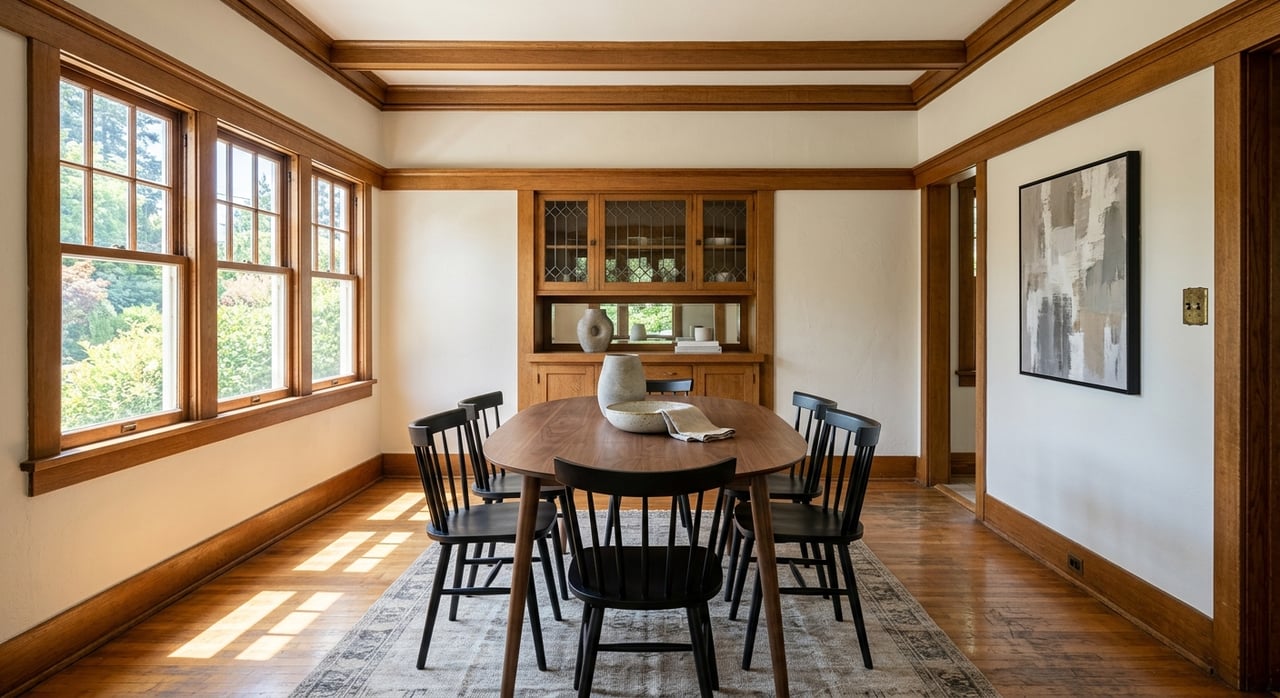
Wondering how to stage a Victorian or Craftsman home in Alameda without stripping away the very details that make it special? You are not alone. Sellers of character homes often want a polished, market-ready look, but they also want to honor the home’s architecture and avoid presentation choices that feel generic or out of place. The good news is that smart staging can do both, helping buyers connect with the space while keeping the home’s original personality front and center. Let’s dive in.
Why staging matters in Alameda
Alameda is not a market where you can treat staging as an afterthought. The city has more than 10,000 buildings constructed before 1930 and a long-standing preservation framework, which means many sellers are bringing homes to market with real architectural significance.
At the same time, presentation matters because buyers move quickly here. In February 2026, the median sale price in Alameda was $1,155,000, homes sold in about 15 days, and 73.5% sold above list price. In a fast-moving market like that, your home needs to read clearly in photos, online tours, and in-person showings from day one.
National data reinforces the value of staging. According to the National Association of Realtors 2025 staging survey, 83% of buyers’ agents said staging makes it easier for buyers to visualize a property as their future home, 49% said it reduced time on market, and 29% of sellers’ agents saw a 1% to 10% increase in offered value.
What strategic staging really means
For an Alameda character home, staging is not just about adding trendy furniture and decorative pillows. It is about making the home’s architecture legible. Buyers should notice the bay window, original fireplace, stained glass, millwork, staircase, porch, or built-ins before they notice the décor.
That approach lines up with both local guidance and preservation best practices. Alameda’s historic preservation resources and the citywide design review manual make clear that historic character matters. The goal is to present the home as fresh, functional, and current without masking the features that give it value and identity.
Stage to the home’s style
Victorian staging in Alameda
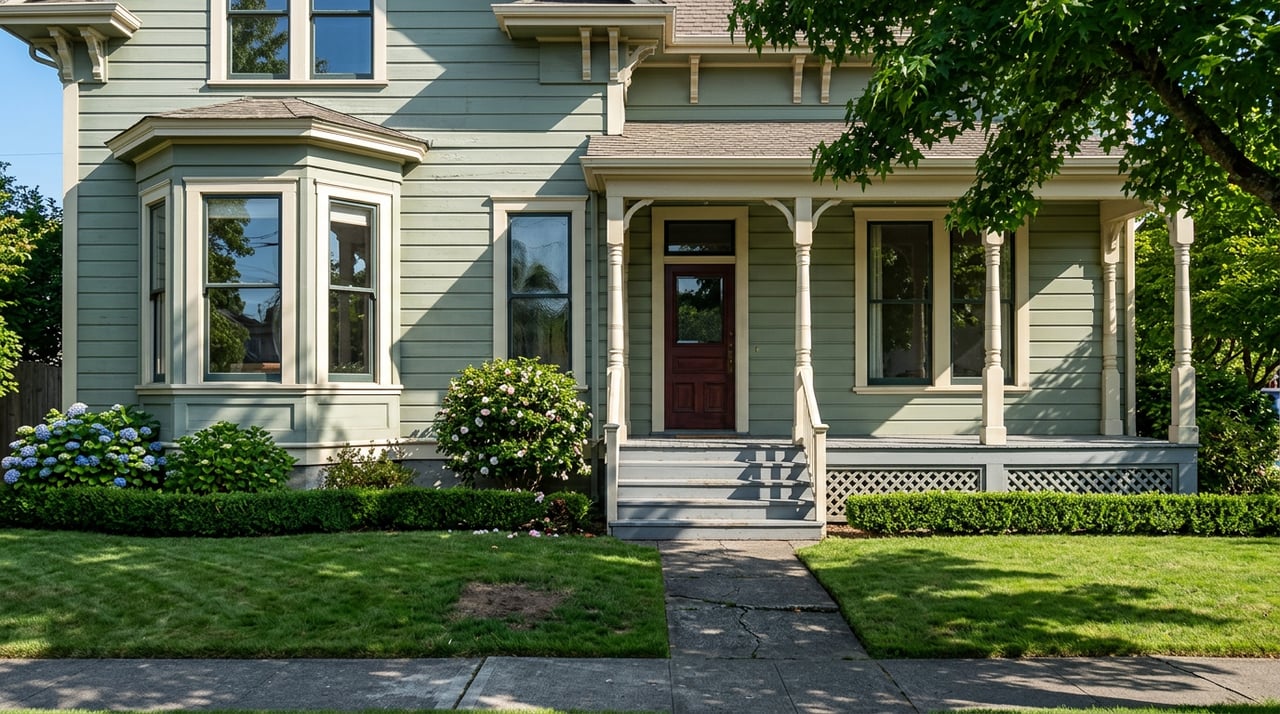
Alameda’s design guidance notes that Victorian homes are often defined by vertical proportions, decorative shingles, bays, turrets, spindlework, and ornament. These homes can feel visually busy even before furnishings are added, so staging should simplify rather than compete.
A restrained palette usually works best. Neutral upholstery, lighter layers, and selective accessories help buyers focus on trim, stained glass, fireplaces, and stair details instead of feeling overwhelmed by too many patterns or colors.
Furniture placement matters just as much as color. Avoid pieces that block windows, crowd circulation, or make tall rooms feel chopped up. In many Victorian homes, the right setup helps buyers understand scale, light, and craftsmanship in one glance.
Craftsman bungalow staging in Alameda
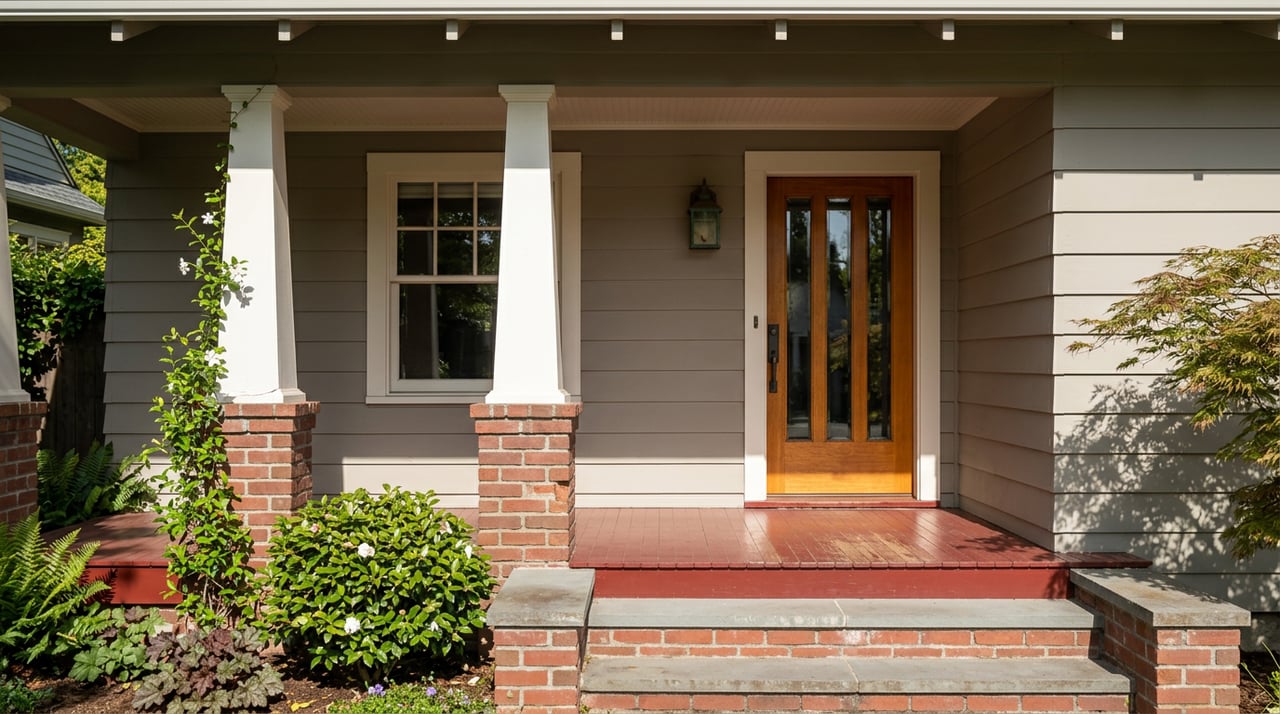
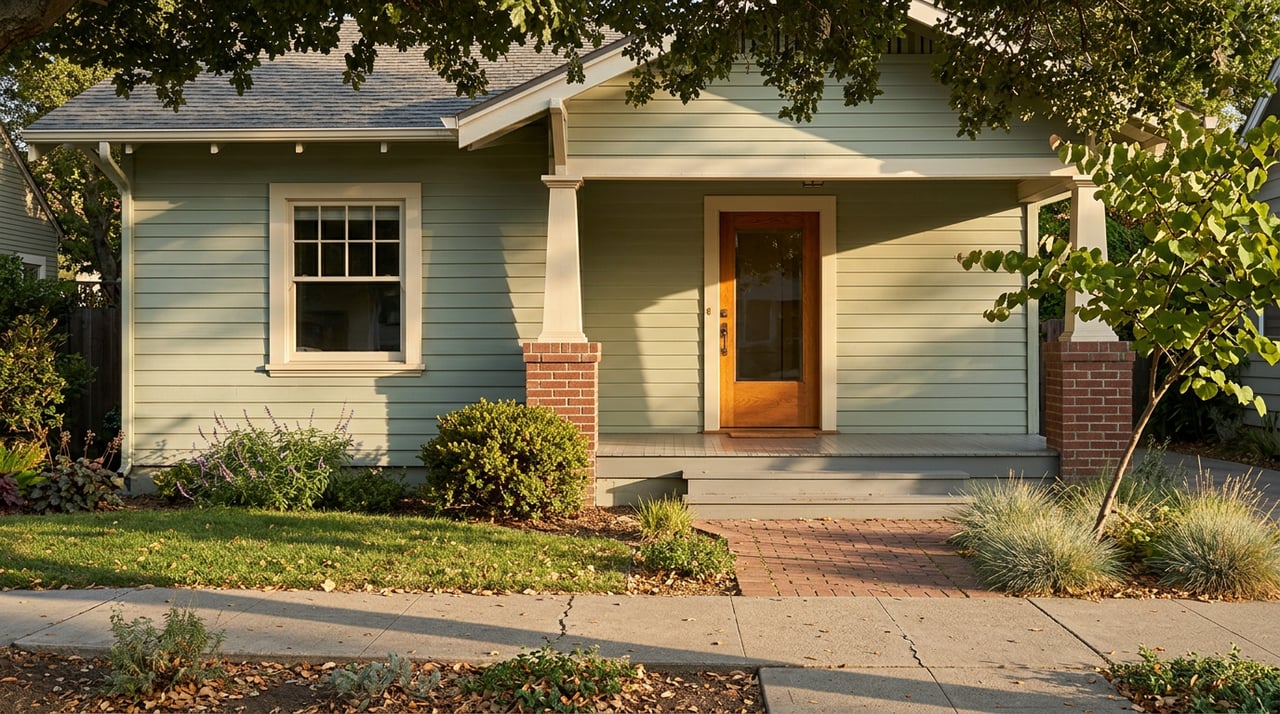
The city’s design guidance describes Craftsman homes as lower, broader, and rooted in natural materials, with broad overhangs, grouped windows, covered porches, and exposed rafter tails. These homes usually respond best to staging that feels calm, grounded, and warm.
Lower-profile furniture often fits the architecture better than oversized or highly formal pieces. Organic textures and earthy tones can support the home’s natural wood, built-ins, and practical layout without making the space feel heavy.
The front porch deserves special attention. In many Alameda bungalows, the porch is part of the home’s identity, so it should feel open, useful, and welcoming rather than crowded with too much furniture or décor.
Keep one clear design story
One of the most useful lessons from Alameda’s design review manual is that multiple architectural styles should not be mixed on a single building. For staging, that means you should avoid décor mashups that confuse the eye.
A Victorian does not need rustic lodge furniture. A Craftsman does not need glossy ultra-modern styling in every room. A coherent look feels more believable, photographs better, and helps buyers connect emotionally with the house.
What to stage first
If you are working within a budget, focus on the rooms that have the greatest impact. The NAR survey found that the living room is the most important room to stage, followed by the primary bedroom and kitchen.
That is especially true in Alameda character homes, where the living room often holds the strongest architectural details. It may contain the fireplace, built-ins, original windows, ceiling detail, or millwork that helps buyers remember the property.
A smart priority list often looks like this:
- Living room
- Primary bedroom
- Kitchen
- Dining room
- Entry and front porch
If funds are limited, you can usually treat a guest bedroom more lightly. NAR identified the guest bedroom as the least important room for buyers, which makes it a reasonable place to save.
Prep comes before décor
The most effective staging plan starts before any furniture arrives. NAR reports that the most common pre-list recommendations are decluttering, cleaning, curb appeal improvements, minor repairs, and painting.
For most Alameda sellers, the best sequence is simple:
- Declutter so rooms feel larger and architectural details stand out
- Deep clean so surfaces, floors, and windows read well in person and in photos
- Handle minor repairs before buyers start looking closely
- Paint selectively if needed to create a clean, cohesive backdrop
- Stage and photograph once the home is fully ready
This order matters because staging cannot hide deferred maintenance for long. Buyers touring a character home tend to look closely, and polished presentation works best when the basics are already handled.
Think photo-first, not just showing-first
Today, your first showing usually happens online. The NAR survey found that buyers’ agents rated listing photos highly at 73%, ahead of traditional staging, videos, and virtual tours. Sellers’ agents ranked photos as even more important at 88%.
That means your staging plan should be built around what the camera sees. Clean sightlines, visible window trim, balanced furniture scale, and uncluttered surfaces all help a home photograph well.
There is another reason to stay disciplined. NAR also found that 48% of respondents said buyers expect homes to look like they were staged on TV, while 58% said buyers are often disappointed by how real homes compare. The best answer is polished but realistic staging that feels elevated without looking theatrical.
Watch the timeline on historic homes
In Alameda, timeline planning matters because some prep work may involve preservation review. The city notes that homeowners should verify historic status early, especially if a property is on the Historic Monuments List, the Historical Buildings Study List, or within a historic district.
The city also states that a Certificate of Approval may be required for certain alterations to a historic monument or contributing structure, and for demolition of structures built before 1942. It is separate from a standard building permit.
In practical terms, that means cosmetic staging is usually straightforward, but any repair or improvement that touches historic fabric should be checked before vendors are booked. If your curb appeal plan includes tree work, that may also need review because Alameda protects certain trees.
Coordinate the right team early
Historic and character homes benefit from a coordinated prep process. The National Park Service recommends case-by-case planning and preserving a property’s historic character, features, and craftsmanship.
For sellers, that often means bringing the right people into the conversation early. Depending on the home, that can include your agent, stager, photographer, painter, handyman, and, when needed, a preservation professional.
This is where project management makes a real difference. Instead of treating staging, repairs, photography, and marketing as separate tasks, the strongest listing plans connect them into one timeline so the home goes live at its best.
Budget with a clear purpose
Staging costs vary, but NAR’s 2025 survey reported a national median cost of $1,500 for a staging service, compared with $500 when a seller’s agent handled staging themselves. The exact scope depends on the home, but the bigger question is not just cost. It is whether the staging plan helps the home present clearly, photograph beautifully, and support your pricing strategy.
For many Alameda character homes, strategic staging is less about filling every room and more about highlighting where buyers should look. That can make your investment more efficient and more effective.
The best staging result
The most successful Alameda staging does not erase a home’s history. It helps buyers see how that history fits modern life. A well-staged Victorian should still feel like a Victorian. A well-staged Craftsman should still feel grounded, warm, and true to its architecture.
When that balance is right, buyers do not just see a pretty room. They understand the home more quickly, remember it more clearly, and respond to it more confidently.
If you are thinking about selling a character home in Alameda, working with a team that understands both presentation and process can make the path much smoother. Anne McKereghan helps sellers coordinate staging, vendors, photography, and market prep with a neighborhood-first, white-glove approach.
FAQs
What is the best staging style for a Victorian home in Alameda?
- A restrained, cohesive style usually works best so buyers can focus on original features like millwork, stained glass, fireplaces, bays, and stair details.
What rooms should you stage first in an Alameda character home?
- Start with the living room, then the primary bedroom and kitchen, because those spaces typically have the biggest impact in photos and showings.
Do historic homes in Alameda need approval before pre-listing work?
- Some exterior changes or work affecting historic features may require review, including a Certificate of Approval in certain cases, so it is wise to verify the home’s status early.
Is staging worth it when Alameda homes already sell quickly?
- Yes, because strong staging can help buyers visualize the home, support better listing photos, and improve how clearly the home’s architecture comes across online and in person.
How much does home staging usually cost before listing?
- NAR’s 2025 survey found a national median cost of $1,500 for a staging service, though actual cost depends on the home, the number of rooms, and the level of coordination needed.