Thinking about leaving San Francisco without giving up Bay access, transit options, or neighborhood character? Moving to Alameda often means a real shift in price, pace, and daily routine, not just a shorter trip across the water. If you are weighing the move, this guide will help you understand what changes, what stays convenient, and what to expect from housing, commuting, and everyday life in Alameda. Let’s dive in.
Price and Pace Feel Different
One of the first things many San Francisco movers notice is that Alameda can offer a different value equation. According to recent Alameda housing market data, Alameda’s median sale price was about $1.08 million in March 2026, compared with about $1.7 million in San Francisco. The same report shows Alameda at roughly $608 per square foot versus about $1.12K per square foot in San Francisco.
That does not mean Alameda is inexpensive. It does mean that, for many buyers, the same budget may stretch differently here. In practical terms, you may find more flexibility in home type, layout, or square footage than you expected.
The pace can feel different too. Alameda is still competitive, but the same market data shows homes here averaged 2 offers and about 15 days on market, compared with 4 offers and 14 days in San Francisco. For you, that may translate to a little more room to evaluate options, while still needing to move decisively when the right property appears.
Alameda Feels Like an Island Community
Alameda is not just another East Bay stop. It is an island city of about 80,000 residents, and that physical setting shapes how it feels to live here. The City of Alameda highlights that island scale, compact commercial areas, and ferry access as part of the city’s appeal and identity in its resident information resources.
If you are coming from San Francisco, you may notice that Alameda often feels more neighborhood-scaled in everyday life. There is still access to major job centers and urban amenities, but the rhythm is usually calmer and more locally oriented. That mix is a big reason many buyers consider Alameda in the first place.
Commuting Is Ferry-First
Your commute may be the biggest lifestyle adjustment. Alameda does not have a BART station within city limits, so if you are used to rail being the default, your routine may change. The City notes that the nearest BART stations are 12th Street, Fruitvale, and Lake Merritt in Oakland, and that AC Transit and local transportation options connect Alameda riders to both BART and San Francisco.
For many former San Francisco residents, the ferry becomes a major part of life here. Alameda is served by three ferry terminals, and current SF Bay Ferry route information shows Main Street Alameda has daily service to Downtown San Francisco, with travel time of about 15 to 25 minutes depending on direction. Harbor Bay and Alameda Seaplane also provide weekday service to Downtown San Francisco.
That means Alameda can still work well for city commuters, but the system is different. Instead of stepping into a rail-heavy transit network, you are more likely to build your routine around ferry schedules, bus connections, biking, or a short drive to nearby Oakland transit.
What This Means Day to Day
If you are planning a move, it helps to think about your week in practical terms:
- Do you want to commute mainly by ferry?
- Will you need regular access to Oakland BART stations?
- Do your work hours match weekday-only or limited midday ferry options?
- Would biking or walking to a terminal be part of your routine?
The city also notes that Alameda has sidewalks on almost all streets and bikeways across town. For many residents, that makes local errands and short trips feel manageable without depending on a car for every outing.
Housing Has More Variety Than Many Buyers Expect
A common assumption is that Alameda is mostly one type of home. In reality, the housing stock is much more varied. Recent market activity in Alameda included everything from a 795-square-foot one-bedroom condo to homes above 3,000 square feet, with many sales in the roughly 1,200 to 1,800 square foot range.
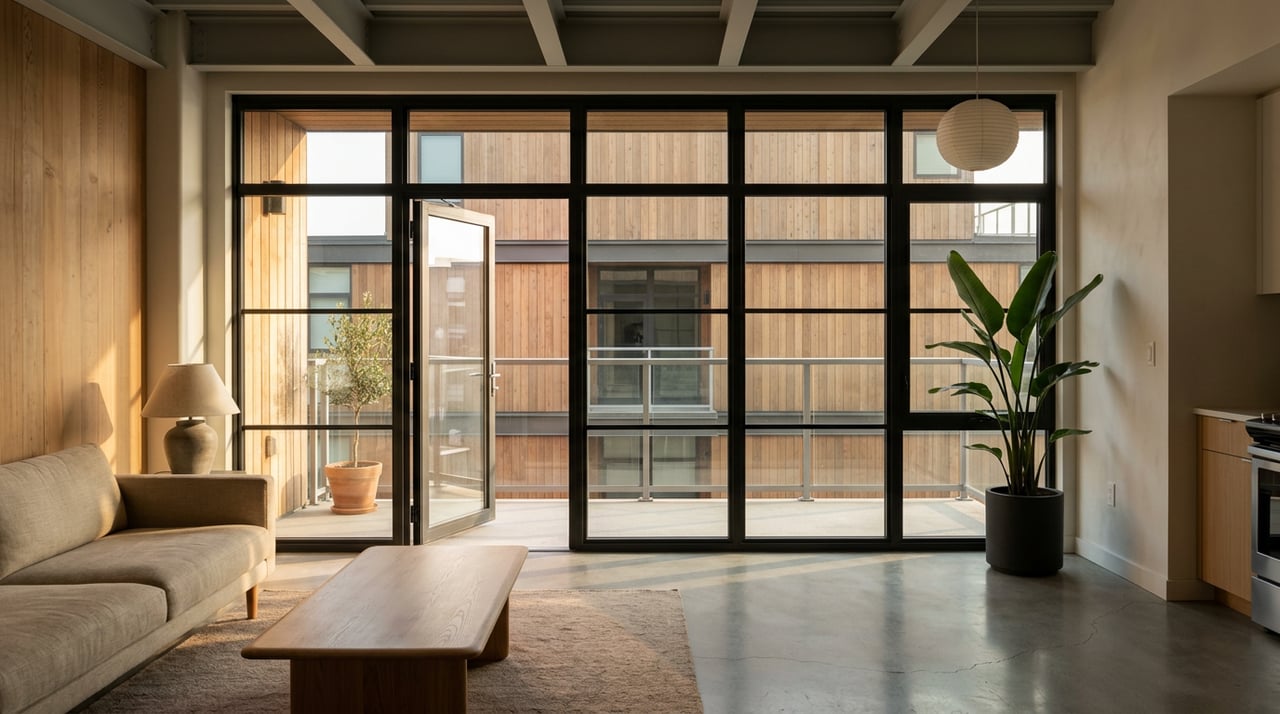
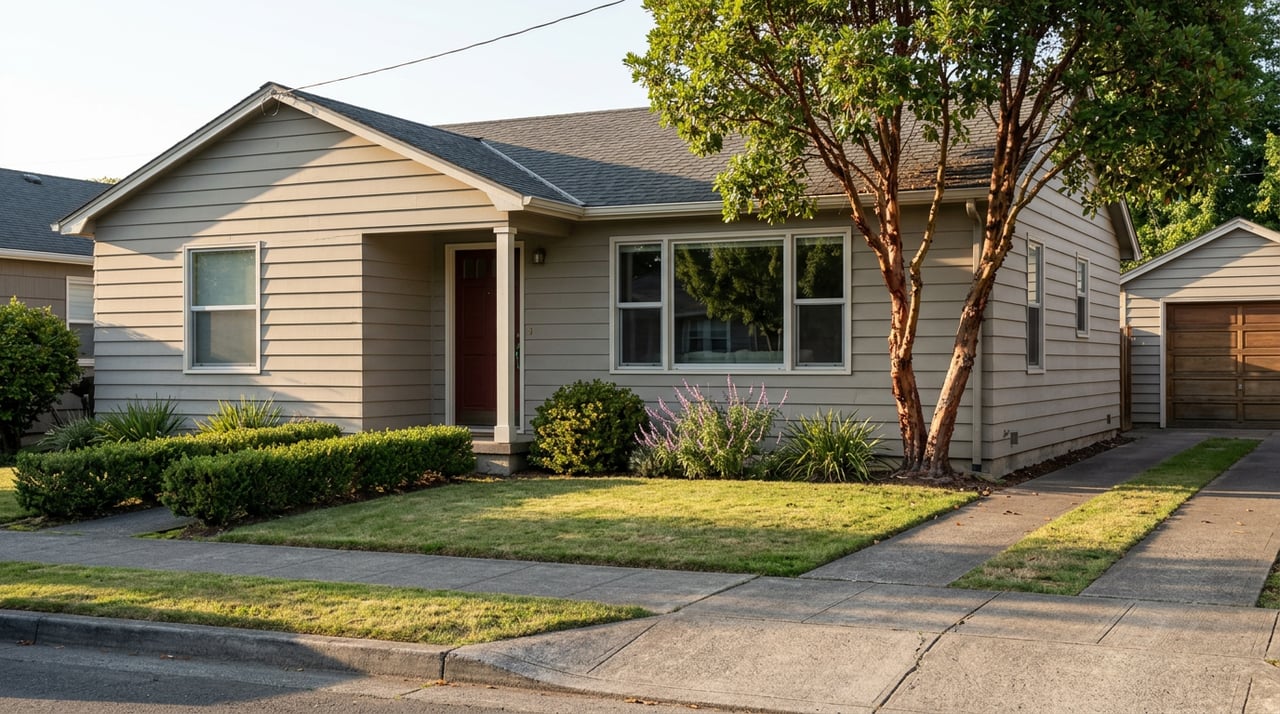
That range matters if you are moving from San Francisco. You may be comparing a condo, TIC, or compact single-family home in the city with very different options in Alameda. Depending on your goals, you might find a condo with less maintenance, a modest detached home, or a larger character property with more interior and outdoor space.
For buyers relocating with a fixed budget, this is often where Alameda becomes especially appealing. The lower price per square foot compared with San Francisco can change the conversation from simply where can I afford to buy to what kind of home fits the way I want to live.
Alameda Homes Often Have Character
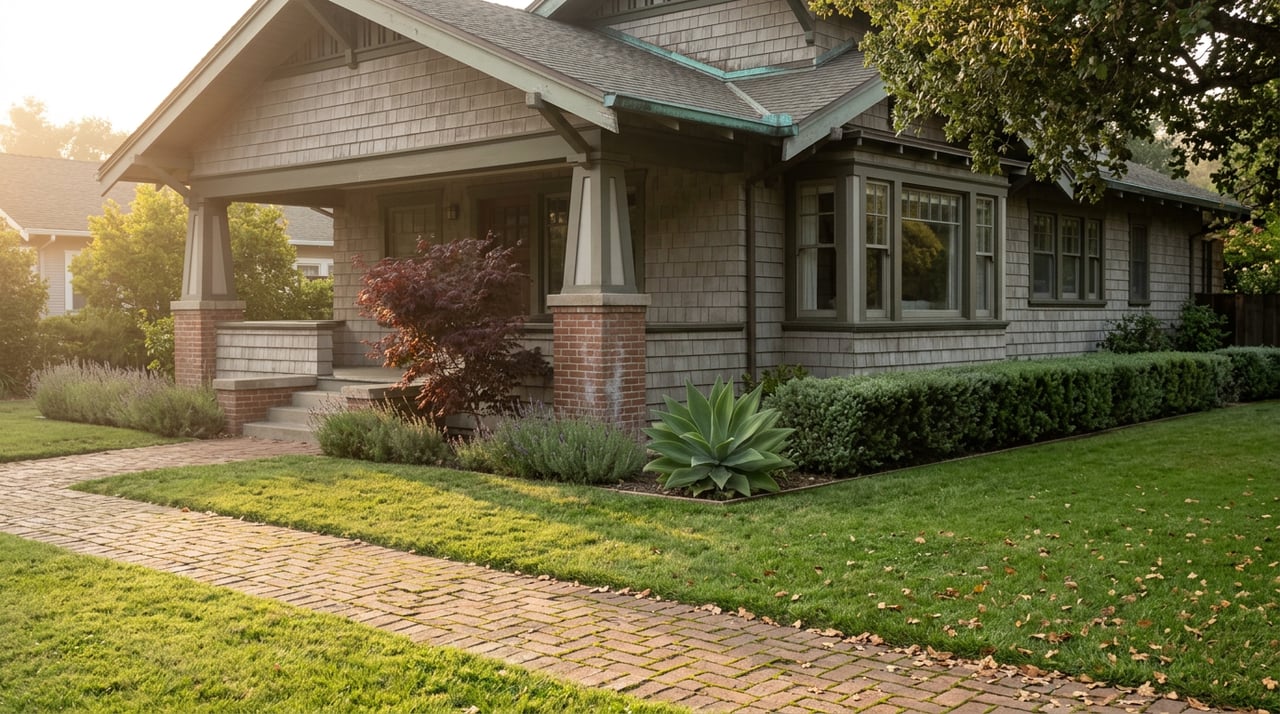
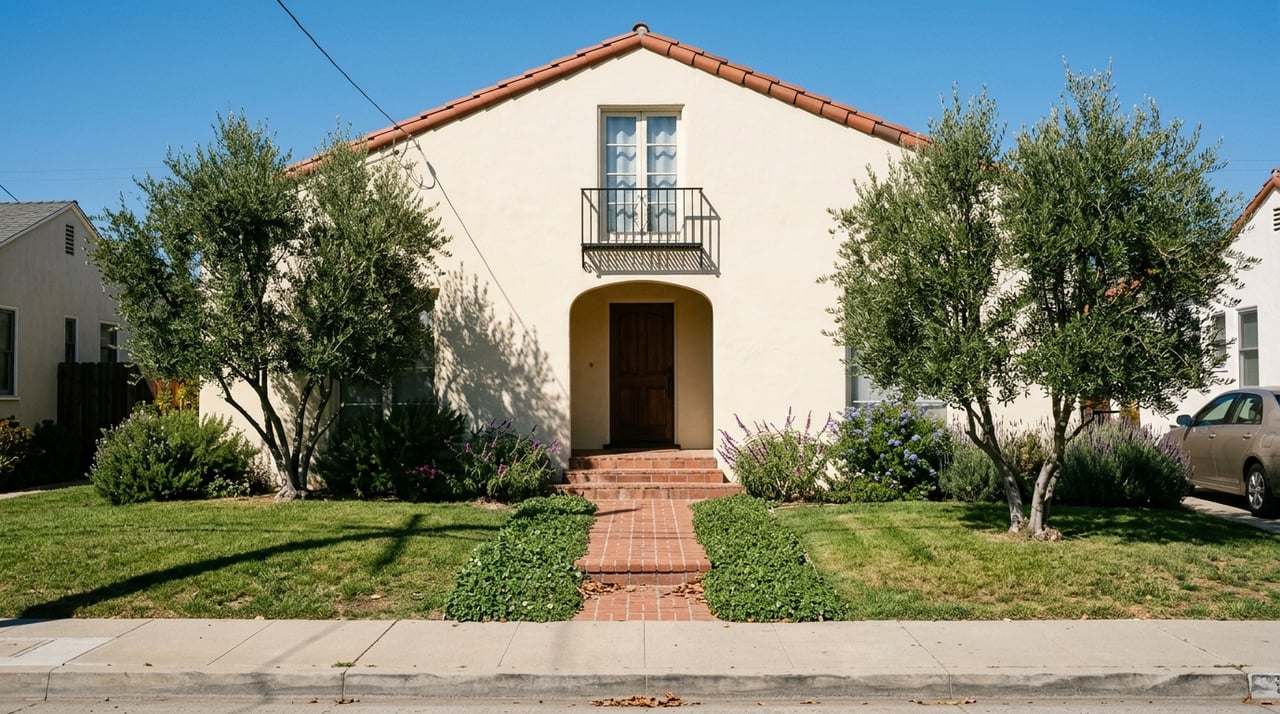
If you love architecture, Alameda stands out. The City’s design guidance identifies Victorian as the oldest predominant style still common in Alameda, especially in historic areas where stoops and porches are a familiar part of the streetscape. The same citywide design review materials also list Colonial Revival, Craftsman, Mediterranean, Art Deco, and Modern among common local styles.
That architectural variety can be a welcome change if your San Francisco search felt constrained by price or inventory type. Alameda offers homes with visual character and a strong sense of place, but the style, condition, and scale can vary significantly from one part of the city to another.
For some buyers, that means an exciting chance to own a home with original detail and personality. For others, it means paying close attention to layout, updates, and maintenance needs when comparing older homes with newer or lower-maintenance options.
Daily Life Centers on Shoreline and Local Corridors
Alameda living is closely tied to the waterfront. Parks, trails, and shoreline views are not just occasional perks here. They are part of many residents’ everyday routine. The City highlights places like Shoreline Park, Estuary Park, Marina Cove Waterfront Park, and Bohol Circle Immigrant Park as part of Alameda’s connected outdoor landscape.
You will also find that two commercial areas shape a lot of daily errands and outings. The City’s visitor resources identify Park Street as Downtown Alameda and Webster Street as the West Alameda Business District. These are practical anchors for dining, shopping, and services, and parking patterns there are part of day-to-day life.
If you are moving from San Francisco, that can feel like a shift from a dense, multi-node city experience to a more compact, familiar routine. Many residents like that tradeoff. You may find yourself returning to the same favorite corridors, parks, and waterfront paths week after week.
Waterfront Living Comes With Realities Too
Alameda’s shoreline is a major draw, but it is also important to understand it realistically. The City notes that Crab Cove, Crown Memorial State Beach, and related shoreline parks are important public assets. At the same time, city materials on shoreline adaptation note that storms have contributed to beach erosion, flooding, and reduced public access in some areas along the beach, Bay Trail, and Shoreline Drive.
For you as a buyer, that does not mean avoiding the waterfront. It means understanding that shoreline living brings both lifestyle benefits and visible long-term management considerations. If waterfront access is high on your priority list, it is worth evaluating each location with that broader context in mind.
What San Francisco Buyers Usually Notice Most
When clients move from San Francisco to Alameda, a few themes tend to stand out:
- More space potential for the money
- A calmer, more neighborhood-scaled pace
- A ferry-centered commute instead of a rail-centered one
- More visible access to parks, shoreline, and open-air recreation
- A wider mix of condos, modest homes, and larger character properties
In other words, Alameda often feels connected to San Francisco without feeling like an extension of it. You still have access to the city, but your daily experience may feel more grounded, local, and spacious.
Planning Your Move Thoughtfully
If you are seriously considering the move, the best next step is to define what matters most to you. Commute style, home type, outdoor access, and budget all play a role, but Alameda can meet those priorities in different ways depending on the property and location.
That is where local guidance matters. A thoughtful home search is about more than matching bedrooms and price points. It is about understanding how Alameda’s housing stock, transportation patterns, and neighborhood rhythm line up with the life you want to build here.
If you are exploring a move from San Francisco to Alameda, Anne McKereghan can help you evaluate the market with local insight and a clear plan tailored to your goals.
FAQs
Is moving from San Francisco to Alameda usually more affordable?
- In many cases, yes. Recent market data shows Alameda had a lower median sale price and lower price per square foot than San Francisco, which can change what your budget can buy.
Is Alameda transit-friendly for San Francisco commuters?
- Yes, but the system works differently. Alameda relies heavily on ferry service, AC Transit, and connections to nearby Oakland BART stations rather than having BART within city limits.
Does Alameda have direct ferry service to San Francisco?
- Yes. Main Street Alameda has daily service to Downtown San Francisco, and Harbor Bay and Alameda Seaplane also offer weekday service.
What kinds of homes can buyers expect in Alameda?
- Alameda has a wide range of housing, including smaller condos, modest single-family homes, and larger character homes, with common architectural styles such as Victorian, Craftsman, Mediterranean, and more.
What is everyday life in Alameda like compared with San Francisco?
- Alameda often feels more neighborhood-scaled and shoreline-focused, with daily life centered around local commercial corridors, parks, trails, and ferry or bus-based commuting.
Should buyers consider shoreline conditions when moving to Alameda?
- Yes. Waterfront access is a major benefit, but city materials also note erosion, flooding, and shoreline management issues in some areas, so it is smart to evaluate location carefully.