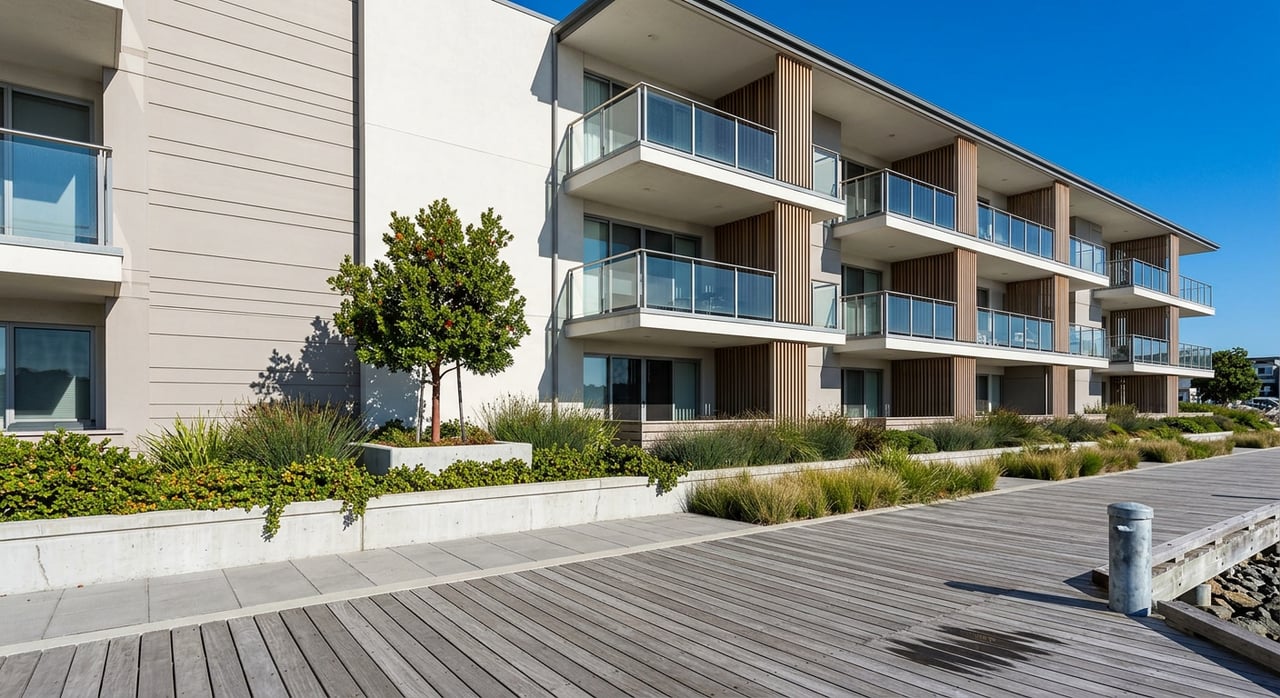
Choosing between San Leandro and Alameda often comes down to how you like to live day to day. Do you want an island vibe with a walkable main street and a scenic ferry ride, or the convenience of two BART stations and easy freeway access on the mainland? Both are great East Bay options with strong community roots. In this guide, you’ll compare housing, commute choices, parks, and the everyday pace so you can pick with confidence. Let’s dive in.
Big picture: island vs mainland
Alameda sits on an island just west of Oakland with lower-speed streets and a compact, historic core around Park Street. It often feels quieter and more small town, with many preserved older homes and tree-lined blocks. Bay Farm Island, connected by a short bridge, offers newer development and access to a ferry terminal.
San Leandro is on the mainland with a mix of older neighborhoods, mid-century housing, and newer infill near BART and the shoreline. You get two BART stations, freeway connections, and pockets of walkable downtown streets alongside larger suburban retail areas.
Homes and prices snapshot
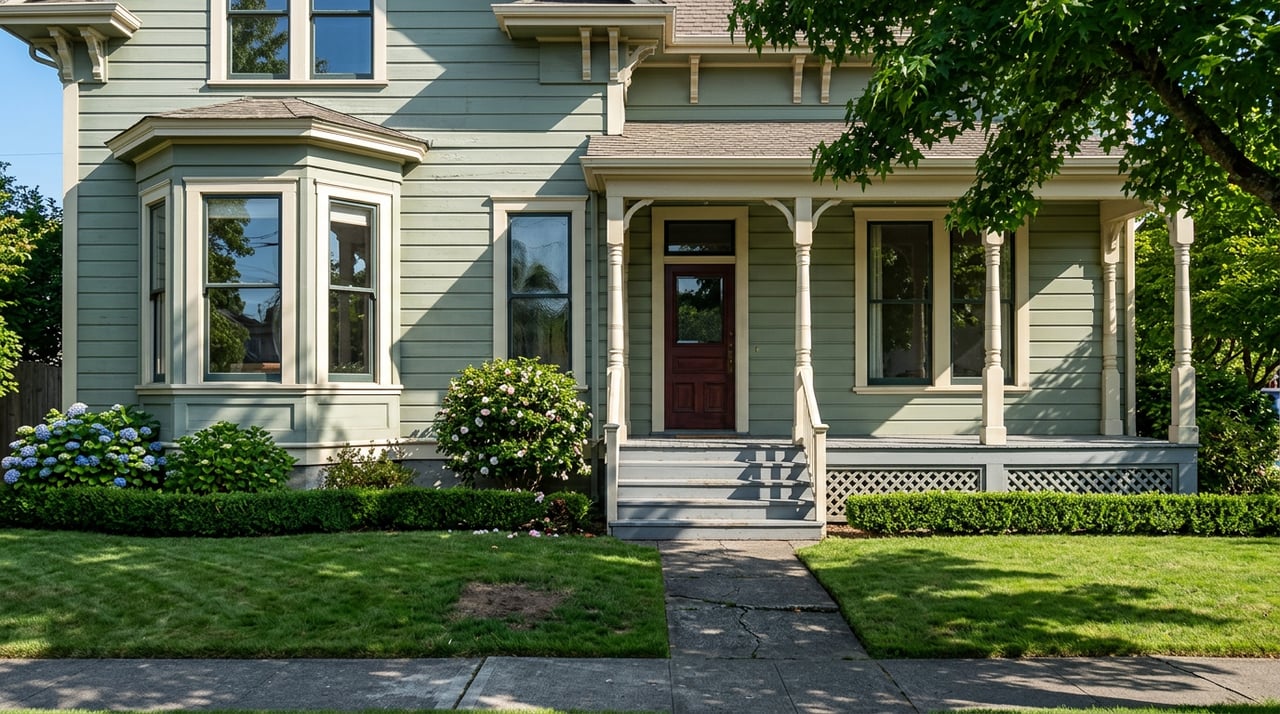
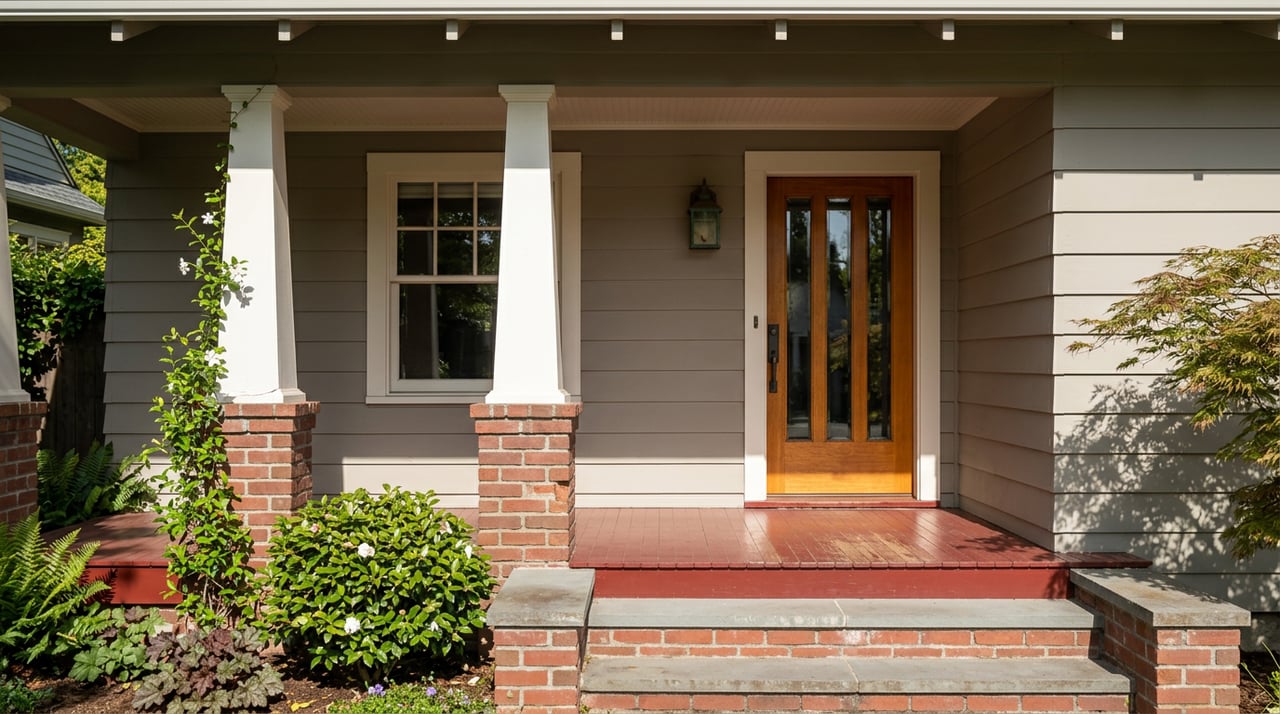
If you love character homes, Alameda offers many Victorians, Craftsman houses, and bungalows, plus a limited set of condos and townhomes near the waterfront and Park Street. Blocks near the core tend to have smaller lots and strong historic fabric.
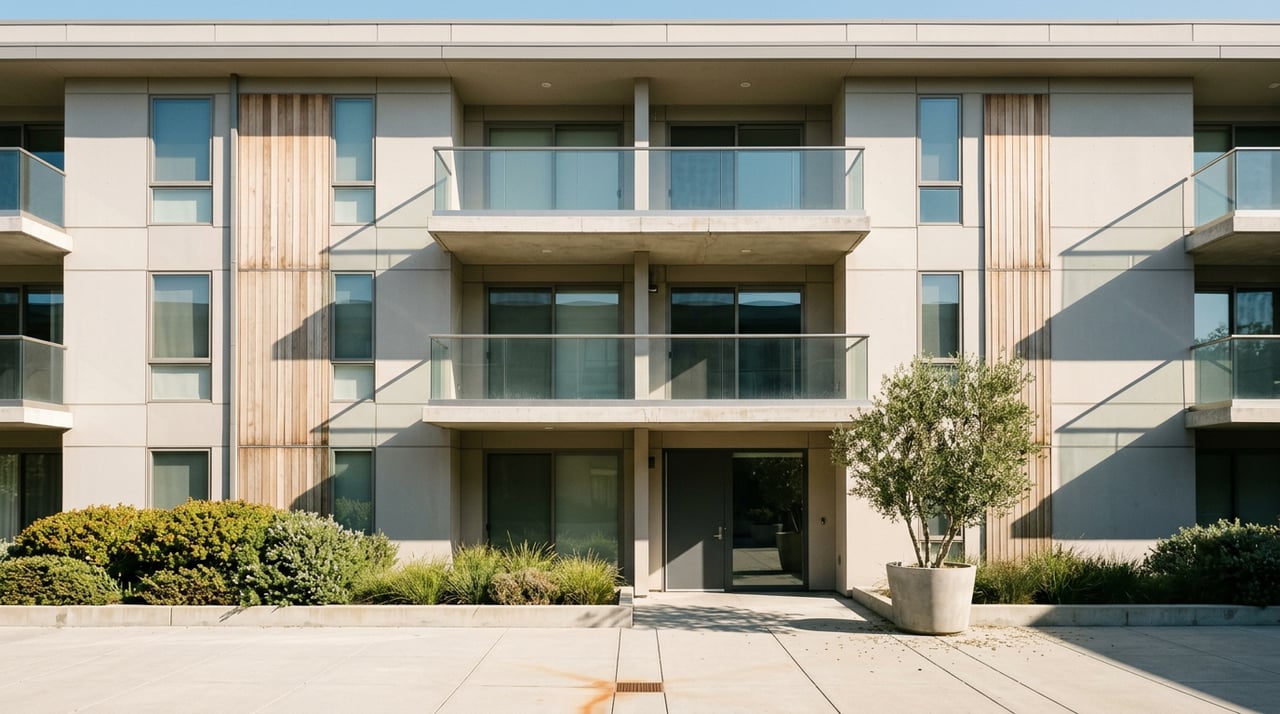
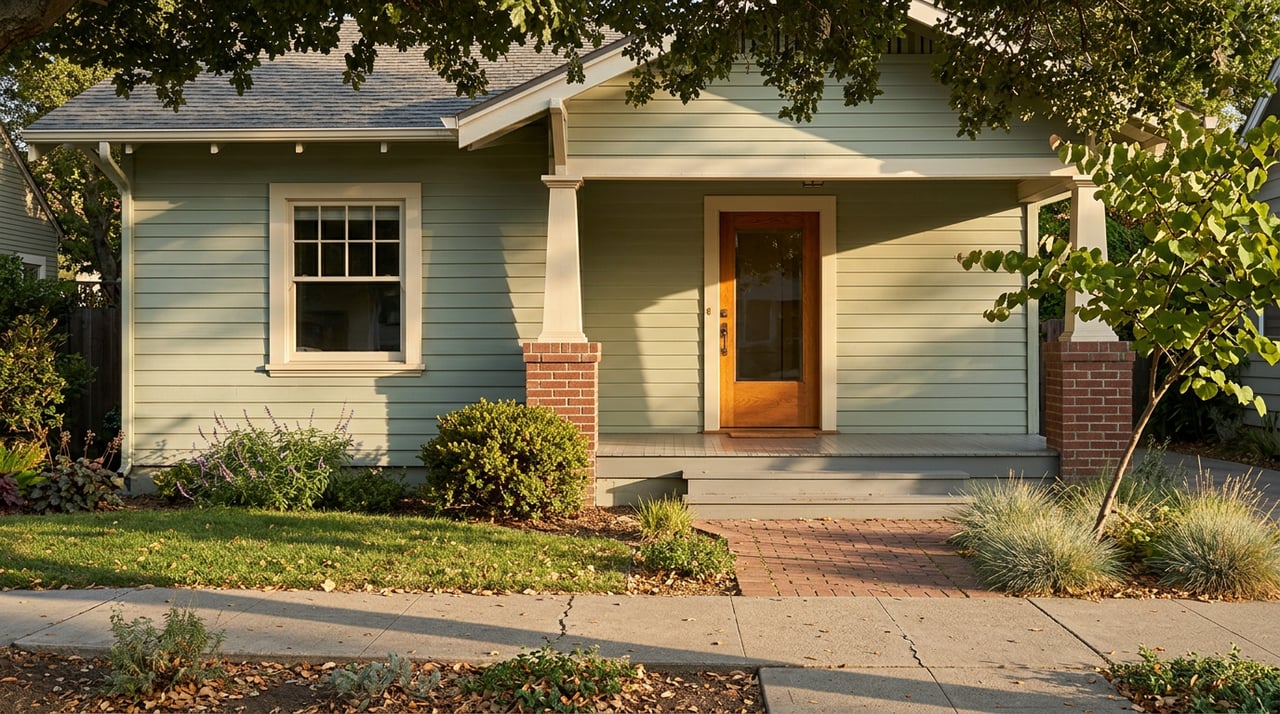
San Leandro gives you a wider mix: early 20th-century bungalows, postwar ranch homes, townhomes and condos, and recent infill near Bayfair and the San Leandro BART station. You can aim for quieter residential streets or prioritize station proximity.
Pricing patterns are consistent in recent snapshots. Public home-value indexes place Alameda’s typical values around the 1.0 to 1.1 million range in early 2026, and San Leandro’s medians commonly in the mid to high 700s to mid 800s. The key takeaway: Alameda usually costs more for comparable proximity or size, while San Leandro often offers a broader selection at lower price points. Exact numbers vary by data source and month, so check a live snapshot when you are ready to tour.
Commute and transit choices
BART from San Leandro
San Leandro’s two BART stations make rail commutes straightforward if you prioritize frequency and reliable connections to Oakland and San Francisco. Explore station details and access at the San Leandro BART page. If rail speed and flexibility top your list, this is a major advantage.
Ferry from Alameda
Alameda’s ferry terminals at Main Street and Harbor Bay offer a comfortable, seat-based ride to San Francisco. Published travel times to the Ferry Building are commonly around 40 to 50 minutes, and real door-to-door time depends on your last mile. You can learn more about ferry service and planning in the regional operator’s materials such as the WETA Climate Action Plan. The ferry is a lifestyle perk for many, though schedules and fares differ from rail.
Driving and last-mile details
- Alameda is an island, so most vehicle trips to the rest of the East Bay use bridges or the Posey and Webster Street tubes. Commuter parking near the ferry can be tight during peak hours. For a practical overview of ferry rider logistics, see this ferry rider guide for Alameda to San Francisco.
- San Leandro’s freeway access makes errands by car easy, and station areas trade higher density for proximity. Local planning has also focused on bicycle and station-access improvements around Bayfair and San Leandro BART to support first and last mile connections.
Shoreline and parks
If you want wide, sandy beach days and an easy waterfront walk, Alameda delivers. Crown Beach and the Crab Cove Visitor Center are standouts for flat trails, water play, and community programs. Get a feel for the scene at the Crab Cove and Crown Beach page.
San Leandro’s shore feels more park-oriented. The San Leandro Marina and Marina Park link to Oyster Bay Regional Shoreline, with tidal habitat and evolving trail access. Explore the regional park details at Oyster Bay Regional Shoreline. Both cities connect to segments of the Bay Trail, which is great for longer bike rides and waterfront jogs.
Pace and walkability
- Alameda often feels slower and more neighborhood focused, especially near Park Street, where you can walk to cafés, small shops, and services. Streets are largely flat, which helps with everyday biking and walking.
- San Leandro is mixed. Downtown and the BART corridors feel more urban and transit oriented. Hill neighborhoods and residential pockets read more suburban, with easy driving to larger shopping centers.
Resilience and practical buying considerations
Both Alameda and San Leandro’s shorelines are low-lying and have active shoreline and sea-level planning. If you are considering homes near the water, take time to review city and regional park updates on shoreline projects and resilience. A helpful window into regional priorities is this East Bay Regional Park District update. For San Leandro planning context and project listings, start with the city’s site map and navigate to Shoreline and Bayfair planning resources.
For near-shore properties, budget time for due diligence. Ask about elevation data, any foundation or soil work, and confirm insurance availability for the property’s specific location. Review FEMA flood maps and any recent local adaptation plans before drafting offers.
Quick buyer checklist
- Test your commute at peak times. Ride BART from San Leandro and take an Alameda ferry round trip to compare door-to-door times and costs. Check the San Leandro BART station page and ferry planning resources like the WETA plan overview.
- Set a clear budget range. Expect Alameda to price higher for comparable homes and locations, with San Leandro offering more options at lower price points.
- Map your lifestyle priorities. Choose Alameda for an island feel and walkable errands near Park Street or the West End. Choose San Leandro for rail convenience and a wider mix of single-family and attached homes.
- Review shoreline and flood factors for near-water properties. Ask for seller disclosures about foundation, drainage, and soil history.
- Check last-mile logistics. Look at bike storage, transit frequency, and rules for ferry and BART parking. A practical primer on ferry demand is here: ferry rider guide for Alameda.
Which lifestyle fits you?
If you picture beach walks, historic streets, and a scenic ferry ride, Alameda will likely feel like home. If you want rail speed, broader housing variety, and easy freeway connections, San Leandro might be the better everyday fit. Both give you Bay Trail access, shoreline recreation, and a strong East Bay community fabric. The right choice comes down to how you move, where you spend time, and which housing stock fits your budget.
Ready to tour both and compare block by block? Let’s map your commute, shortlist neighborhoods, and price-check homes that align with your goals. For boutique, end-to-end guidance and premium marketing resources, connect with Anne McKereghan. Request a Free Home Valuation if you are also considering a sale.
FAQs
Is San Leandro or Alameda better for a San Francisco commute?
- If you want rail frequency and a shorter single-vehicle ride, San Leandro’s BART access usually wins; if you prefer a scenic, seat-based trip and can work with schedules, Alameda’s ferry is a strong option.
How do home prices compare between San Leandro and Alameda?
- Recent indexes show Alameda typically trading at a premium near 1.0 to 1.1 million, while San Leandro often ranges from the mid to high 700s into the mid 800s, depending on month and source.
What outdoor amenities stand out in each city?
- Alameda shines with Crown Beach and the Crab Cove Visitor Center; San Leandro offers Marina Park plus regional access at Oyster Bay, and both connect to Bay Trail segments.
Should I worry about sea-level rise when buying near the shoreline?
- Both cities are actively planning for shoreline adaptation; evaluate each property’s elevation, insurance options, and local project timelines before you write an offer.