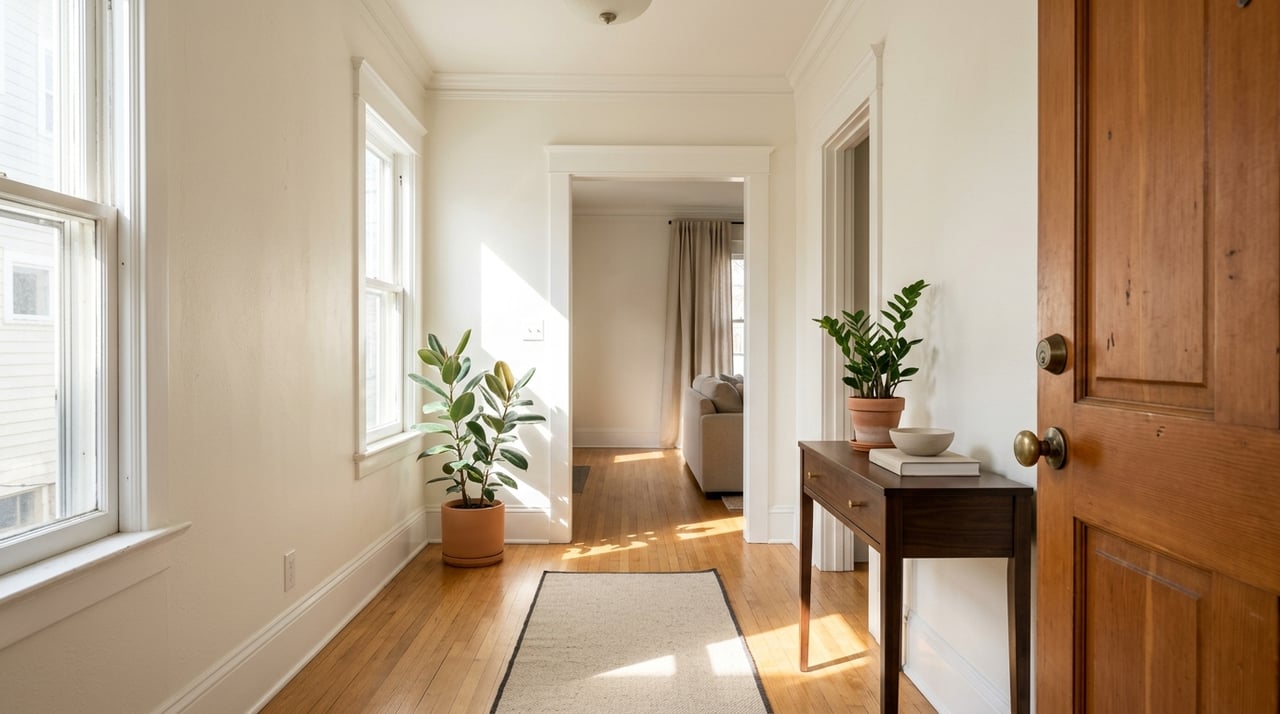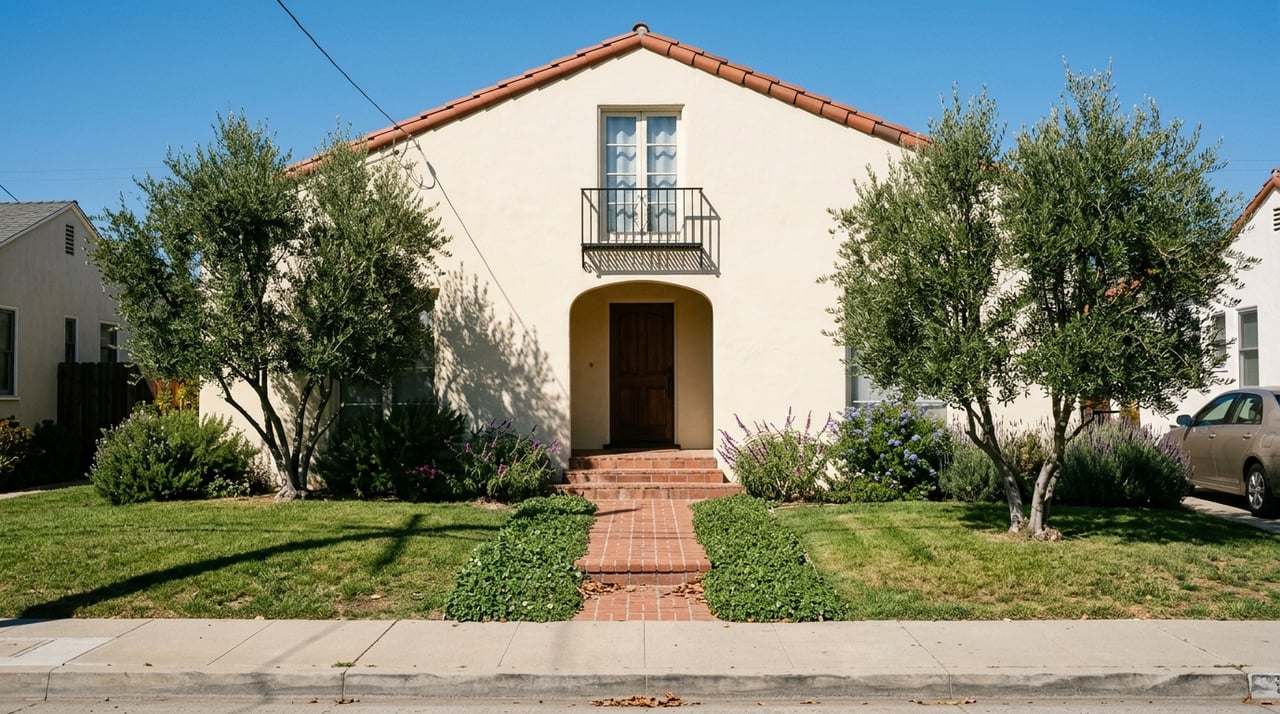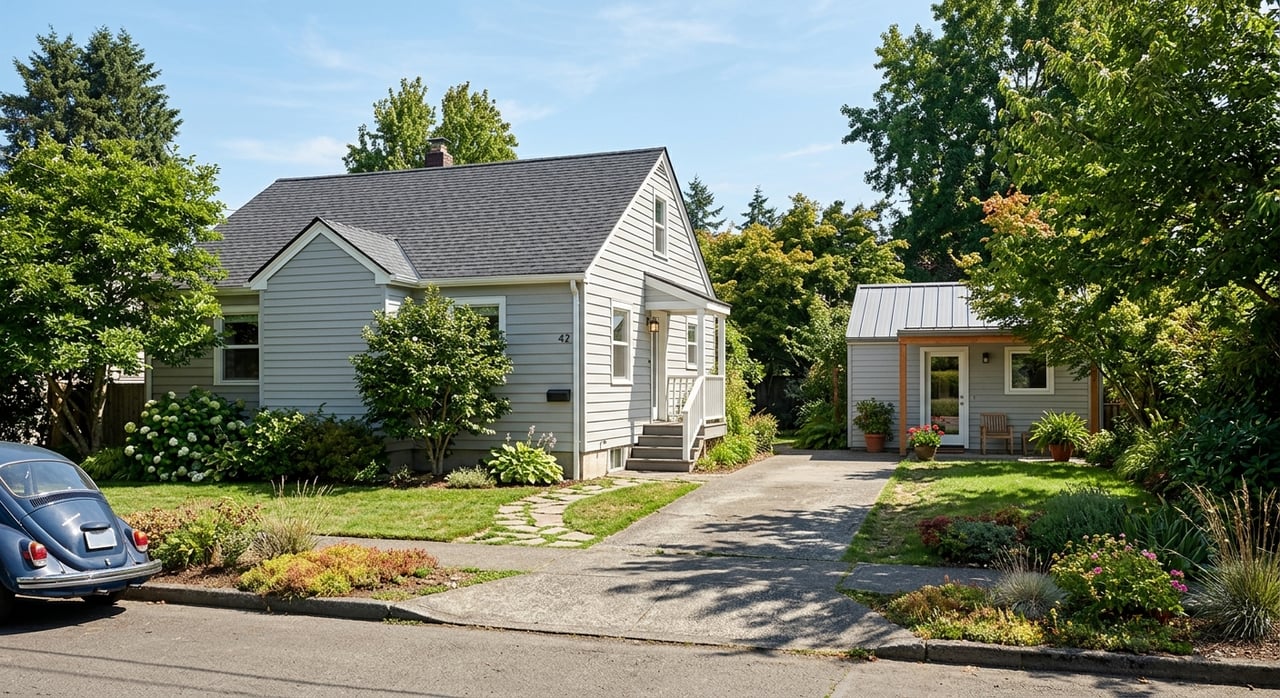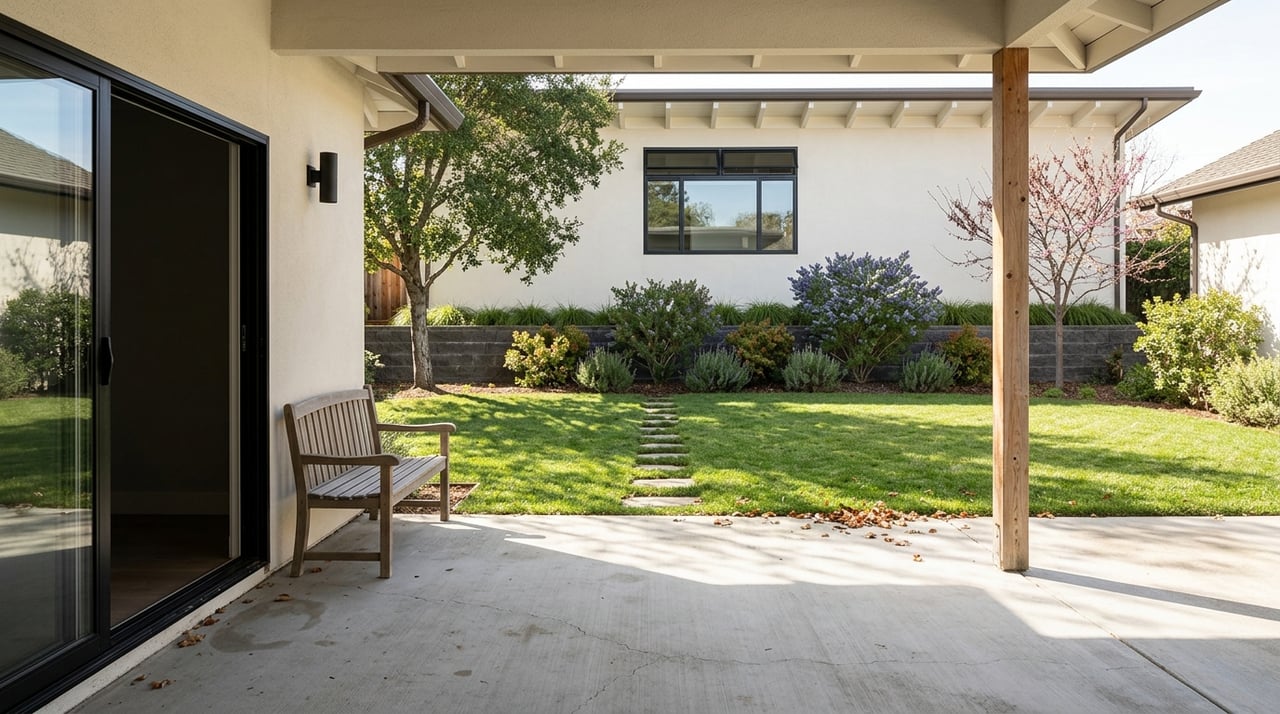
If your current home feels a little too tight, you are not alone. Many East Bay homeowners reach a point where they want more space, a different layout, or a home that better fits the way they live now. If Castro Valley is on your radar, this checklist will help you think through budget, timing, competition, and the local details that matter before you make your move. Let’s dive in.
Why Castro Valley draws move-up buyers
Castro Valley offers a mix that many move-up buyers are looking for: established residential areas, strong access to parks and trails, and practical regional commuting options. It is also a community with a long local identity and a stated goal of preserving its natural setting and small-town character while accommodating growth.
One detail that surprises some buyers is that Castro Valley is not an incorporated city. It is an unincorporated Alameda County community, and the Castro Valley name is the official USPS mailing place name for the area. That matters because county agencies, not a city government, handle many local jurisdiction questions.
The community is also largely owner-occupied. Census data counted 66,441 residents and 22,021 households in 2020, with an owner-occupied housing rate of 72.5% and an average of 2.9 people per household. For buyers who want to put down roots, those numbers help explain why so many households stay and trade up within the area.
Start with your why
Before you look at listings, get clear on what “upsizing” really means for you. More square footage is only part of the equation. You may be looking for another bedroom, a better work-from-home setup, more outdoor space, or a layout that gives everyone a little more breathing room.
Write down your top priorities in two groups: must-haves and nice-to-haves. This simple step will help you make sharper decisions when homes move quickly, which they often do in Castro Valley.
Know Castro Valley price ranges
Move-up buyers usually need to balance wish list and budget very carefully. Castro Valley is a premium market, but prices can vary meaningfully depending on the area and property type.
Recent market snapshots showed median prices around $1.01 million to $1.08 million, depending on the source and metric used. Neighborhood-level medians ranged from about $838,000 in South of 580 to about $1.19 million in Castro Valley Hills, with several other subareas falling between the $900,000s and the low $1 millions.
That range is important because it creates tradeoffs. In one part of Castro Valley, your budget may buy more square footage but a different lot, location, or home style. In another, you may pay more for hillside setting, larger homes, or a different overall feel.
The Census also puts the median value of owner-occupied homes at $1,104,600. For move-up buyers, that is a useful reminder that your next payment may look very different from your current one, especially if you have owned your present home for several years.
Understand the speed of the market
If you are planning to buy and sell at the same time, market pace matters. Recent snapshots point to a fast-moving, seller-leaning market in Castro Valley.
Realtor.com reported a median 26 days on market and a 102% sale-to-list ratio. Redfin reported homes going pending in about 9 days on average, with about 6 offers. While the numbers differ by source, the takeaway is the same: you should expect competition and be ready to act.
For move-up buyers, that means your prep work needs to happen before you fall in love with a house. Financing, home-sale strategy, and timing decisions should already be taking shape.
Build your move-up buyer checklist
1. Estimate your sale proceeds
Your current home is often the key to your next purchase. Start by estimating what your present home could sell for and what you might net after mortgage payoff and selling costs.
This step gives you a realistic down payment target and helps you understand your comfort zone before you shop. It also helps you decide whether you need to sell first, buy first, or try to line up both transactions closely.
2. Refresh your preapproval
A preapproval letter helps show sellers that you are serious, but it is not permanent. Consumer guidance notes that preapprovals are tentative and often expire in 30 to 60 days.
If you are upsizing, ask your lender to help you model the full monthly cost, not just principal and interest. You will want to budget for property taxes, insurance, and any HOA dues if they apply.
3. Plan for California property taxes
This is one of the biggest budgeting gaps for move-up buyers. In California, property tax is based on a 1% rate plus voter-approved bonds and certain other indebtedness.
Alameda County also explains that a change in ownership can trigger a supplemental assessment. That can lead to supplemental tax bills mailed directly to you rather than to your lender, so you should not assume your regular mortgage payment tells the whole tax story.
The county offers a supplemental tax estimator that can help with planning, although the Assessor and Tax Collector determine the official value and amount. If the home will be your principal residence, remember the homeowner’s exemption filing, which can reduce taxable value by $7,000.
4. Decide whether to sell first or buy first
Many homeowners choose to sell their current home before buying another one. That route can make your budget clearer and reduce the risk of carrying two homes at once.
Buying first can give you more flexibility with moving, but it may add financial pressure in a competitive market. The right answer depends on your equity, cash reserves, and risk tolerance, so this is one of the most important planning conversations to have early.
5. Prepare your current home
If your move depends on selling your existing home, start prep sooner than you think. Decluttering, repairs, and presentation work can all affect timing.
A full-service approach can make this stage much easier because there are many moving parts. When you are trying to buy your next home while preparing your current one for market, smooth coordination matters.
6. Match your search to real housing options
Castro Valley includes a real range of housing types, but not all at the same price point. Recent sales examples ran from a 2-bedroom, 1-bath home around 1,190 square feet to a 6-bedroom, 4.5-bath home around 2,522 square feet.
That means your checklist should focus on the kind of upgrade you truly need. Do you want one extra bedroom, a larger yard, a multi-level home, or significantly more square footage? The clearer you are, the easier it is to filter choices and move decisively.
7. Check commute and daily routine fit
Castro Valley appeals to many buyers because it combines residential living with practical transportation access. BART’s Castro Valley Station serves the Dublin/Pleasanton to Daly City line and is also served by AC Transit.
Census data shows a mean travel time to work of 32.7 minutes. Even if you work remotely part of the week, test your likely routes to transit, freeways, and daily errands so your next home fits your real routine.
8. Look closely at parks and outdoor access
One of Castro Valley’s major lifestyle strengths is access to open space. Official park district resources show Lake Chabot Regional Park, Anthony Chabot Regional Park, Cull Canyon Regional Recreation Area, Don Castro Regional Recreation Area, and Five Canyons Open Space in or around the community.
Lake Chabot offers more than 20 miles of hiking trails connected to 70 miles in adjoining Anthony Chabot. Five Canyons adds more than 300 acres and five miles of trails. If outdoor access is part of why you are moving, this should be part of your home search map.
9. Verify school assignment by address
Castro Valley Unified School District serves TK through 12 and lists enrollment of 9,489. If school attendance boundaries matter to your household, verify the assignment for the specific address you are considering.
This is worth checking every time, even if a listing mentions nearby schools. Address-based verification helps you avoid surprises and make decisions based on the exact property.
10. Build a closing timeline
When you are selling one home and buying another, dates matter. Closing is the final step of the transaction and typically involves your agent, lender, escrow company, and title company.
Your lender must provide the Closing Disclosure at least three business days before closing. Build your moving plan around these milestones so utility transfers, packing, possession dates, and any overlap period feel manageable instead of rushed.
A simple Castro Valley upsizing plan
If you want a cleaner way to think about the process, use this sequence:
- Estimate the likely sale price and net proceeds from your current home.
- Refresh your preapproval and monthly payment target.
- Review property taxes, insurance, and possible supplemental taxes.
- Decide whether to sell first, buy first, or tightly coordinate both.
- Prepare your current home for market.
- Narrow your Castro Valley search by budget, size, and routine.
- Verify address-specific details before writing an offer.
- Align closing dates and moving logistics.
This kind of planning does not remove every challenge, but it does give you a much better shot at a smoother move.
Why guidance matters in a move-up purchase
Upsizing is rarely just a simple purchase. You are often balancing equity, timing, competition, taxes, and a long list of household logistics all at once.
That is where local knowledge and strong coordination can make a real difference. In a market like Castro Valley, you want a plan that accounts for both the numbers and the day-to-day reality of moving from one home to the next.
If you are thinking about upsizing to Castro Valley, Anne McKereghan can help you map out the timing, budget, and next steps with a local, hands-on approach.
FAQs
Is Castro Valley a city in Alameda County?
- No. Castro Valley is an unincorporated Alameda County community, even though Castro Valley is the official USPS mailing place name for the area.
How competitive is the Castro Valley home market for move-up buyers?
- Recent market snapshots show a seller-leaning market, with homes moving in about 9 to 26 days and multiple-offer activity reported by major housing platforms.
What home prices should Castro Valley move-up buyers expect?
- Recent data showed median prices around $1.01 million to $1.08 million, with subarea medians ranging from about $838,000 to about $1.19 million.
What kinds of homes can move-up buyers find in Castro Valley?
- Recent sales show a range from smaller homes around 1,190 square feet to larger homes above 2,500 square feet, depending on budget and location.
What extra costs should Castro Valley buyers budget for?
- Budget for mortgage principal and interest, property taxes, insurance, possible HOA dues, and potential supplemental tax bills after a change in ownership.
What should buyers know about Castro Valley schools?
- Castro Valley Unified School District serves TK through 12, and buyers should verify the exact school assignment for any specific property address they are considering.