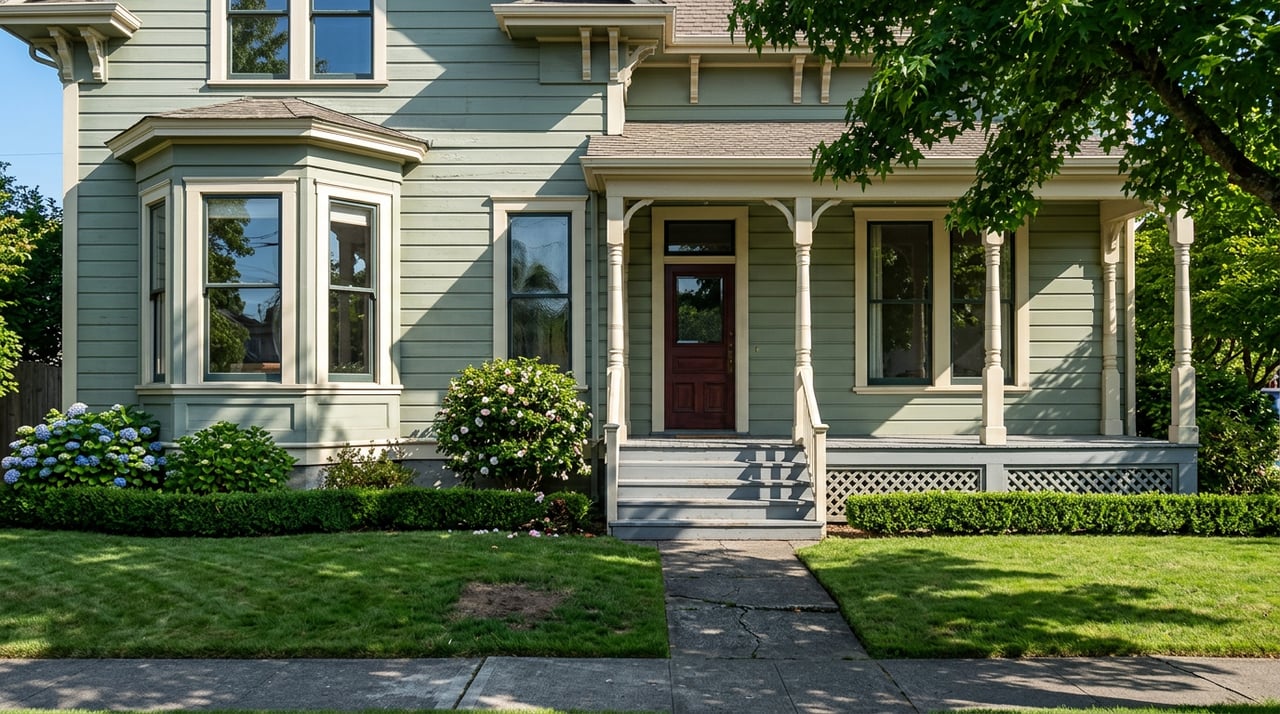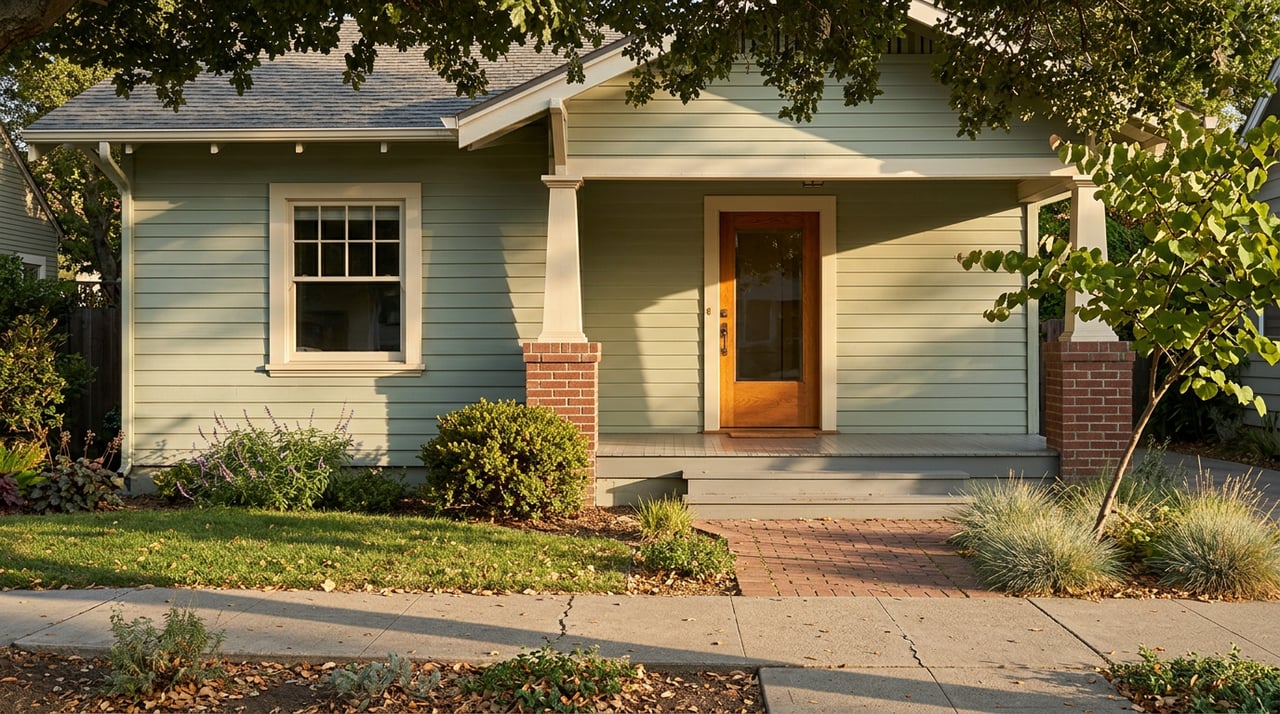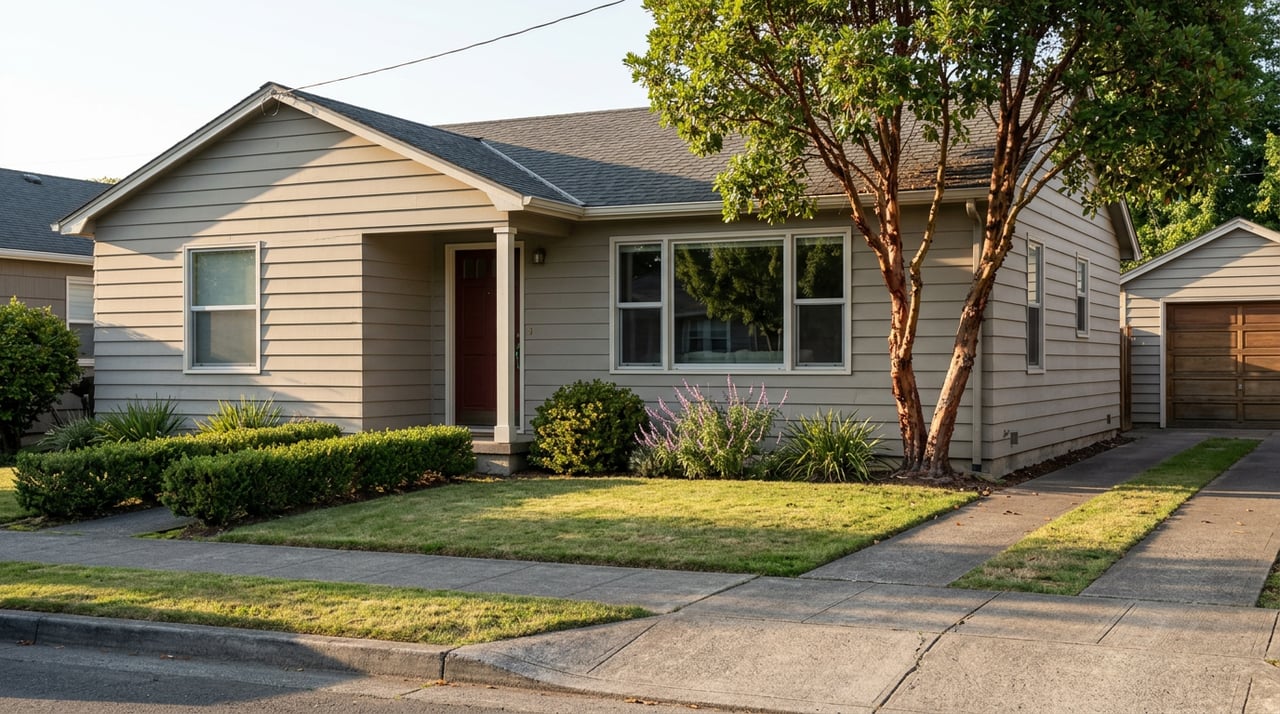
Ask an agent who works in Oakland or Alameda who signs off on a home's sewer line before closing, and they'll tell you EBMUD, the East Bay Municipal Utility District. Ask the same question about a home in Castro Valley, and most of them will guess wrong. The agency that actually holds the pen is the Castro Valley Sanitary District, known locally as CVSan, a special district that serves this one unincorporated community of roughly 64,000 people and answers to nobody else's playbook.
That distinction matters more than it sounds like it should. Castro Valley sits in unincorporated Alameda County, which already shapes a seller's experience in ways buyers coming from Oakland or San Leandro don't expect: the county handles building permits instead of a city hall, and there's no municipal transfer tax layered on top of the countywide rate. Most sellers have made peace with those quirks by the time they list. The one that catches people off guard, often with a signed purchase agreement already in hand, is the sewer lateral certificate CVSan requires before any property in its boundaries can change hands.
Not the County, Not EBMUD, a District Almost Nobody Names Correctly
Since July 1, 2019, under CVSan's Ordinance No. 179, every residential, commercial, and industrial property sale within the district's boundaries has required a valid sewer lateral certificate before escrow can close. No exceptions for bank-owned properties, no carve-out for smaller sales. The rule sits entirely outside Alameda County's general permitting apparatus, which handles building permits for unincorporated Castro Valley but has no role in this program at all.
That separation is easy to miss because the neighboring cities most Castro Valley comparisons get drawn against, Oakland, Alameda, Berkeley, Piedmont, run their version of this requirement through EBMUD instead. An agent who has closed a dozen deals in those cities and assumes the Castro Valley process works the same way is bringing the wrong map to the transaction.
| Castro Valley (CVSan) | Oakland, Berkeley, Piedmont (EBMUD) | City of Alameda (EBMUD) | |
|---|---|---|---|
| Certifying agency | Castro Valley Sanitary District | East Bay Municipal Utility District | East Bay Municipal Utility District |
| Homeowner responsible for | Full lateral, house to public main | Full lateral, house to public main | Upper lateral only, house to curb cleanout |
| Current inspection fee | $330 CCTV inspection | Set by contractor performing EBMUD's verification test | Same as EBMUD cities |
| Governing rule | Ordinance No. 179 (2019) | EBMUD Regional Private Sewer Lateral Ordinance | Same ordinance, narrower homeowner scope |
Notice the second row. In the city of Alameda, a seller's financial exposure stops at the curb cleanout. In Castro Valley, it runs the full distance from the house to the public sewer main under the street, which is a longer, more expensive stretch of pipe to be held accountable for if it fails inspection.
The Two Numbers That Decide Whether You Even Need the Camera
CVSan doesn't require every seller to run a camera down their line. The district built in an automatic exemption, and it hinges on two lookback windows: a lateral installed or fully replaced within the past 30 years, or one where at least half the pipe was replaced within the past 10 years. Meet either threshold with documentation, in the form of a CVSan sewer repair permit on file, and you skip the inspection entirely.
Here's where Castro Valley's housing stock works against a lot of sellers. The area is known for classic 1950s and 60s tract homes alongside larger custom properties built into the surrounding hills, which means a meaningful share of the district's housing predates that 30-year window by decades. If nobody in the chain of ownership pulled a permit for lateral work in the last ten years, the automatic exemption doesn't apply, and the CCTV inspection becomes mandatory before you can list with a clear path to closing.
What Happens After the Camera Runs
A licensed contractor runs the inspection with a CVSan inspector present to witness it, at a current cost of $330. The video itself stays valid for six months, so timing the inspection too early relative to your listing date can mean redoing it.
If the lateral passes, CVSan issues a Compliance Certificate valid for ten years. If it fails, the district sends a Notice to Repair within 30 days, spelling out exactly what needs fixing, sometimes a cleanout installation, sometimes a full replacement. Repair work requires its own $250 CVSan permit, and if the work extends into the public street, Alameda County Public Works may require a separate encroachment permit on top of that. What started as one $330 camera run can turn into two agencies and two permits before a seller ever gets to sign closing documents.
CVSan has periodically offered some relief here. In its most recent cycle, the Lateral Replacement Grant Program authorized $75,000 in funding for the fiscal year that ran from August 2025 through the district's fiscal year end this past June, reimbursing qualified property owners for 50 percent of an approved replacement cost up to a maximum of $2,000 per lateral. Funding is allocated first come, first served each cycle, so whether a new round is currently open is worth confirming directly with CVSan rather than assuming last year's terms still apply.
The Timing Trap Sellers Don't See Coming
The mechanic that causes the most damage to a transaction isn't the inspection itself. It's the sequencing.
If a lateral needs repair or full replacement, CVSan allows that work to happen either before or after close of escrow, but only with a time-extension permit, and that permit has to be requested before escrow closes. CVSan does not accept time-extension requests once the sale has already closed. A seller who discovers a failed lateral during an accepted offer's contingency period and assumes there will be time to sort it out after closing can find that door already shut.
In a market where Castro Valley homes sold in a median of 13 days over the three months ending June 2026, according to recent Redfin market data, there's very little slack in an escrow timeline for a surprise sewer failure. The inspection is the kind of thing that has to happen before the property hits the market, not after an offer lands.
That's the practical case for ordering the CCTV inspection, or pulling the exemption paperwork, at the same time you're prepping a listing for photos and staging. Sellers who wait until they're under contract are betting that a decades-old clay pipe will pass on the first try. Sometimes it does. When it doesn't, the fix competes with an already-tight closing calendar.
What This Means If You're Buying Instead of Selling
Buyers in Castro Valley have leverage here that buyers in EBMUD cities don't always think to ask about. Responsibility for the inspection and any repair costs is negotiable between buyer and seller in the purchase contract, the way it is in most East Bay sales. But because the certificate is a hard requirement for closing rather than a contingency either party can waive, a buyer working with an agent who knows to check the CVSan portal early in the process gains real negotiating room. If a seller hasn't already secured a certificate or documented an exemption, that's a legitimate item to raise before removing contingencies, not an afterthought to sort out during the final walkthrough.
A Few Questions Worth Asking Before You List
Does this apply to condos and commercial properties, or just single-family homes? CVSan's ordinance makes no exception by property type. Commercial, industrial, and residential sales, including bank-owned properties, all require the certificate before closing.
What if only part of my sewer line was replaced? The automatic exemption requires at least 50 percent of the lateral replaced within the past 10 years, documented with a CVSan repair permit. Smaller repairs that fall short of that threshold don't qualify, so hold onto the permit paperwork showing exactly how much of the line was replaced and when.
Who actually pays for the inspection and any repairs? That's a negotiated point in the purchase contract, the same as it is in neighboring EBMUD cities. It's common for buyers and sellers to split the cost or for one party to absorb it as part of the broader deal terms, but nothing in CVSan's ordinance dictates who pays.
Castro Valley's unincorporated status gets discussed in terms of property taxes and building permits often enough that most buyers arrive prepared for those differences. The sewer certificate rarely comes up in that conversation, which is exactly why it's worth raising before a listing goes live rather than after an inspector's camera finds something nobody expected.
If you're weighing a sale in Castro Valley and want a clear-eyed read on where your property stands, from the CVSan portal to the rest of your prep-to-close timeline, Your East Bay Agent can walk through it with you. Request a Free Home Valuation and we'll start with the questions that actually decide your closing date.