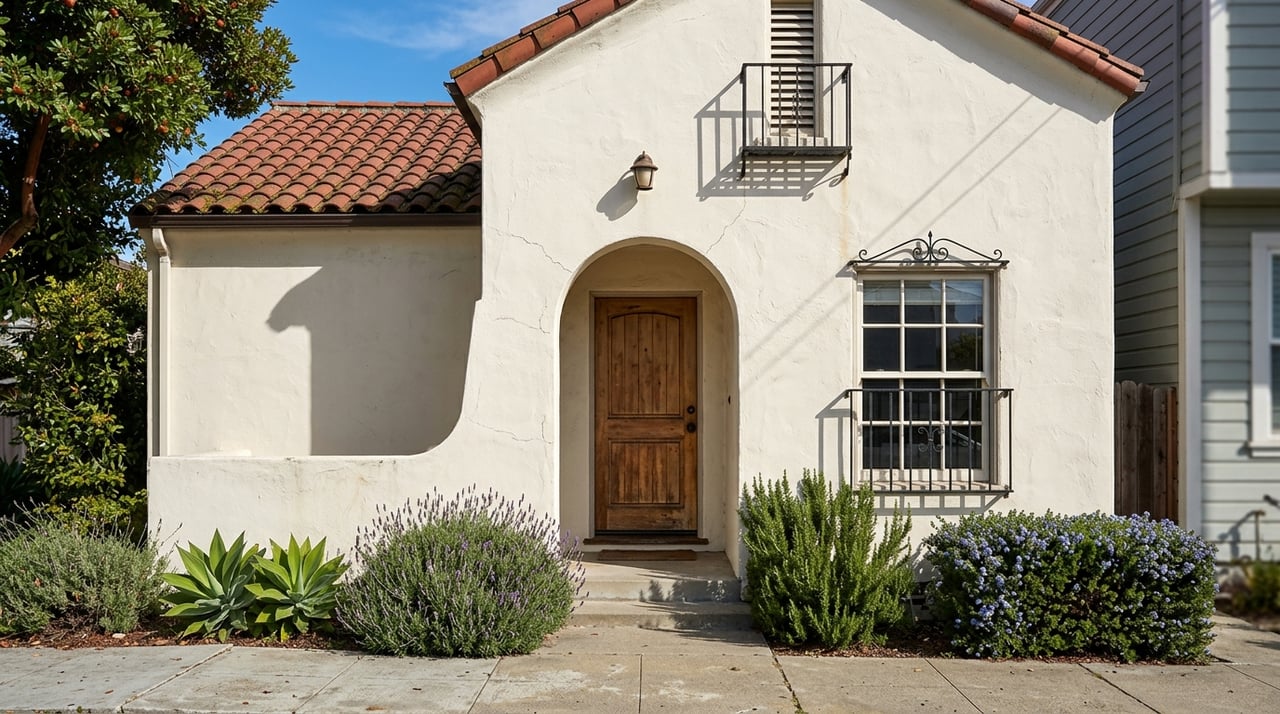
Thinking about buying a historic home in Alameda? The charm is easy to love, but the budget can be more complex than many buyers expect. If you understand how age, condition, permits, and city review can affect your costs, you can shop with more confidence and fewer surprises. Let’s dive in.
Why Alameda’s older homes matter
Alameda has an unusually large stock of older homes. According to the City of Alameda, the city has more than 10,000 buildings constructed before 1930, and its historic-preservation system has been in place since 1975.
That matters because older homes are not all treated the same. In Alameda, the age of a property and whether it is historically significant can affect what work you can do, what approvals you may need, and how much you should reserve for future projects.
How historic status can affect your budget
If you are buying in Alameda, it is smart to ask more than, “How old is the house?” You also want to know whether the property is a historic monument, a contributing structure in a historic district, or a building constructed before 1942.
The City says a Certificate of Approval may be required for work on historic properties. That can include alterations to monuments, work on contributing structures in historic districts, and demolition or major alteration of buildings built before 1942.
For you as a buyer, this means renovation costs are not always just about materials and labor. Your budget may also need to cover planning time, design revisions, permit fees, and in some cases a longer review process.
Buildings before 1942 have extra considerations
The City also states that all buildings constructed before 1942 are subject to the California Historical Building Code. That code allows alternative solutions when strict modern code compliance would undermine a building’s historic appearance or economic viability.
This can be helpful, but it does not mean projects are simple. It means older homes may follow a different path for repairs or upgrades, which can affect your timeline, consultant needs, and decision-making during ownership.
What Alameda pricing suggests
Alameda remains a high-cost housing market, so historic-home budgeting starts with a substantial entry price. Redfin’s April 2026 city tracker shows a median sale price of $1,087,438, while the Census Bureau’s 2020 to 2024 estimate for median value of owner-occupied housing units is $1,235,700.
These figures measure different things, so they are best used as a range rather than a single rule. Even so, they point to the same takeaway: you should plan for a high purchase price before you even factor in repairs, upgrades, or preservation-related costs.
Monthly carrying costs matter too. The same Census snapshot reports median monthly owner costs of $3,933 with a mortgage and $1,038 without one, which helps show how ownership expenses can stay significant after closing.
Vintage-home demand can keep pressure on buyers
Redfin’s Alameda vintage-home page shows 48 vintage homes at a median listing price of $999K. It also reports that most of those homes are on the market for about 22 days and receive 5 offers.
That combination suggests vintage homes can attract strong buyer interest. When demand is steady, it becomes even more important to set a realistic all-in budget early, so you do not overextend yourself on price and leave too little room for inspection findings or future work.
Build your budget in five buckets
For many Alameda buyers, it helps to think about a historic-home budget in five separate buckets instead of one total number. That approach gives you a clearer picture of what you can comfortably afford.
Here is a practical framework to use:
- Purchase price: Your offer amount, down payment, and closing-related costs.
- Inspection costs: Standard inspection plus any additional specialist evaluations that make sense for an older home.
- Retrofit or repair reserve: Funds set aside for foundation work, chimney repair, paint issues, deferred maintenance, or other early ownership needs.
- Permit and design-review costs: Fees and professional costs tied to permits, planning review, or historic approvals.
- Ongoing maintenance: The recurring cost of caring for older materials, systems, and exterior features over time.
This five-part view reflects Alameda’s review rules, California’s historic building framework, and the added due diligence that older properties often require.
Inspection items that deserve extra attention
A standard home inspection is still essential. The CFPB says buyers should schedule a home inspection, and if the contract is contingent on a satisfactory inspection, the buyer can cancel without penalty if they are not satisfied.
With an older Alameda home, though, the standard inspection is usually just the starting point. You may want a broader checklist so you can understand not only current condition, but also likely near-term costs.
Lead-based paint concerns in older homes
If a home was built before 1978, lead-based paint becomes an important consideration. The EPA says homes built before that year are more likely to contain lead-based paint, including 87% of homes built before 1940.
The EPA also says a lead-based-paint inspection can be especially useful when buying a home or before renovating. A risk assessment can help identify current hazards from paint, dust, or soil.
In practical terms, pay close attention to places where paint tends to wear down. The EPA highlights windows, doors, stairways, porches, and fences as common areas to check for deterioration.
Seismic issues can affect repair planning
Earthquake risk is another major budget line in California. The California Earthquake Authority says older houses with steps up to the first floor can shift off their foundations, homes with living space over an attached garage can be more vulnerable, older chimneys can crack and fall away, and houses built before 2000 should be evaluated for seismic retrofit needs.
For Alameda buyers, this means your due diligence should look carefully at foundation type, crawl-space conditions, chimney condition, and any garage-under-living-space layout. These features do not automatically mean a home is a bad fit, but they can affect both your upfront reserve and your long-term upgrade plan.
Permits and design review can add time and cost
One of the biggest budgeting surprises in Alameda is how quickly routine work can become a regulated project. The City says permits are required for most construction work.
The City also states that exterior changes, including windows, require both a permit and Planning Design Review approval. In addition, anyone planning to construct, enlarge, alter, repair, move, demolish, or change occupancy, or install or replace electrical, gas, mechanical, or plumbing systems, must first obtain the required permit.
That means even projects that sound straightforward on paper may involve more steps than expected. If you are buying an older home with plans to update it over time, your budget should account for the approval process as well as the physical work itself.
Some projects may involve historic review
For certain historic properties, a Certificate of Approval may also be required. The City notes that some demolition or major alteration scenarios can trigger a public hearing.
From a buyer’s point of view, this is why timeline matters almost as much as cost. A phased project may require patience, coordination, and enough reserves to handle delays or additional professional input.
How to budget more confidently before you buy
You do not need to avoid Alameda’s historic homes to protect your budget. You simply need to evaluate them with clear eyes and a plan.
Before making an offer, consider these steps:
- Review the home’s age and ask whether it may fall under Alameda’s historic-review rules.
- Build inspection costs into your early budget, including any specialty inspections that fit the property.
- Keep a separate reserve for repairs and seismic or safety-related upgrades.
- Assume that exterior changes or system updates may require permits.
- Treat charm as part of the value, but not as a substitute for financial planning.
The goal is not to make historic homes feel risky. It is to make your decision informed, realistic, and aligned with how Alameda actually works.
Why local guidance makes a difference
In Alameda, two homes with similar square footage can lead to very different ownership costs depending on age, condition, and review requirements. That is why local context matters so much during your search.
When you understand the market baseline, the city process, and the typical inspection priorities for older homes, you can compare properties more accurately. That helps you decide whether a home fits your budget not just today, but over the next several years.
If you are weighing the cost and character of an Alameda home, working with a local expert can help you ask better questions before you commit. To talk through your options with a neighborhood-first advisor, reach out to Anne McKereghan.
FAQs
How do historic homes in Alameda affect a homebuying budget?
- Historic and older homes in Alameda can affect your budget through purchase price, specialized inspections, repair reserves, permit costs, design review, and longer project timelines.
What should buyers know about homes built before 1942 in Alameda?
- The City of Alameda says buildings constructed before 1942 are subject to the California Historical Building Code, and major alterations may also trigger historic-review requirements.
What inspections matter most for older Alameda homes?
- In addition to a standard home inspection, buyers may want to pay close attention to lead-based paint risks, foundation conditions, crawl spaces, chimneys, and garage-under-living-space layouts.
Do Alameda home updates usually require permits?
- Often, yes. The City says permits are required for most construction work, and exterior changes such as windows also require Planning Design Review approval.
Are vintage homes in Alameda competitive to buy?
- Redfin’s Alameda vintage-home data suggests they can be, with a median listing price of $999K, about 22 days on market, and an average of 5 offers.
How much should buyers reserve for an Alameda historic home?
- The right reserve depends on the property, but buyers should typically plan for inspection costs, repair or retrofit funds, permit and review costs, and ongoing maintenance in addition to the purchase price.