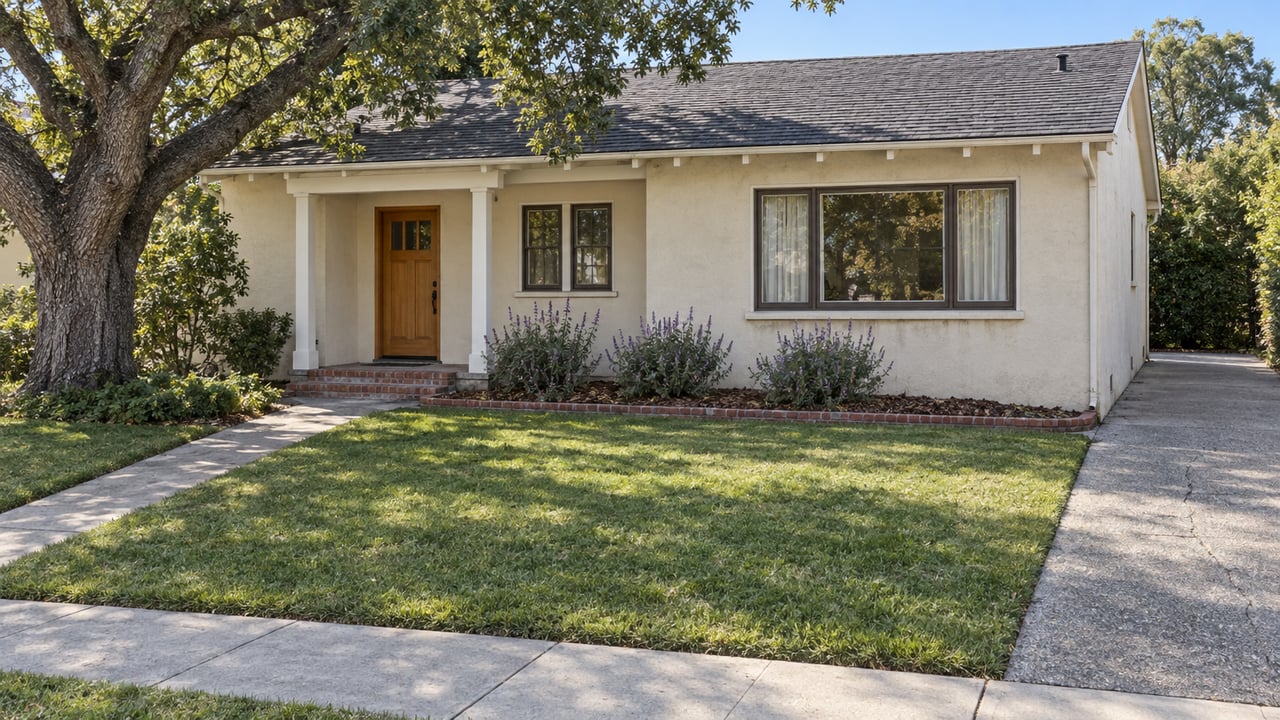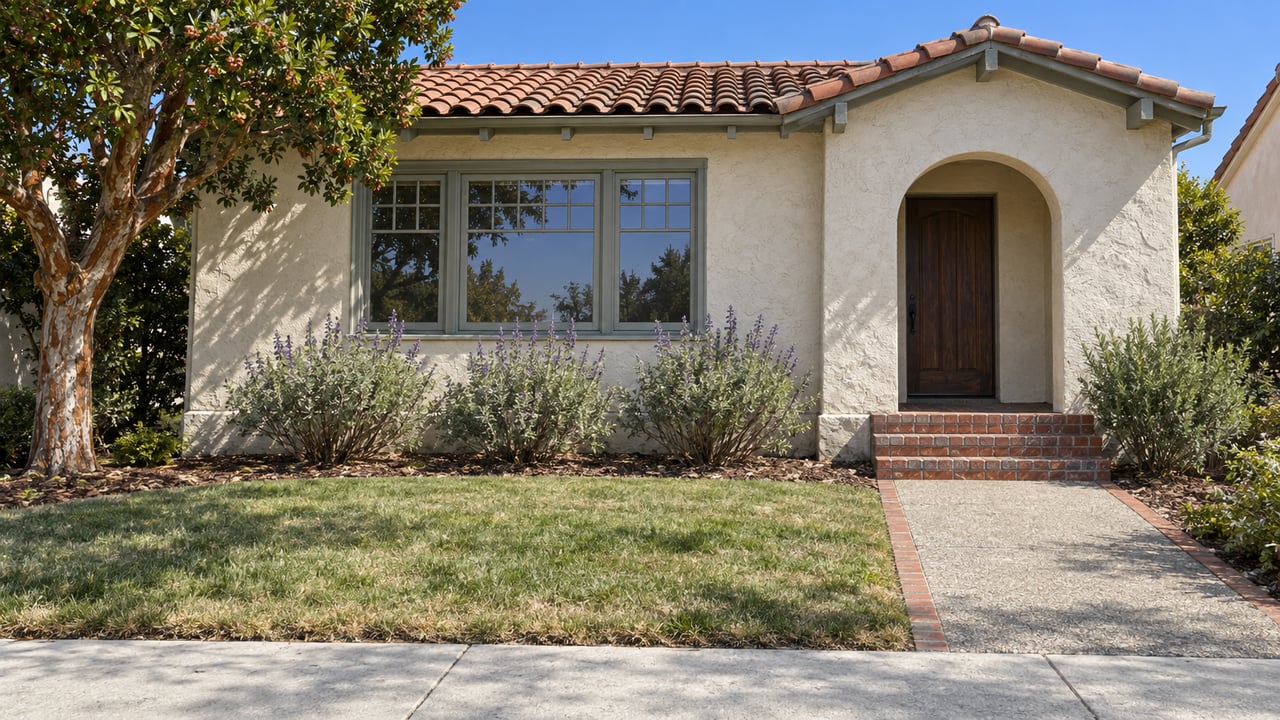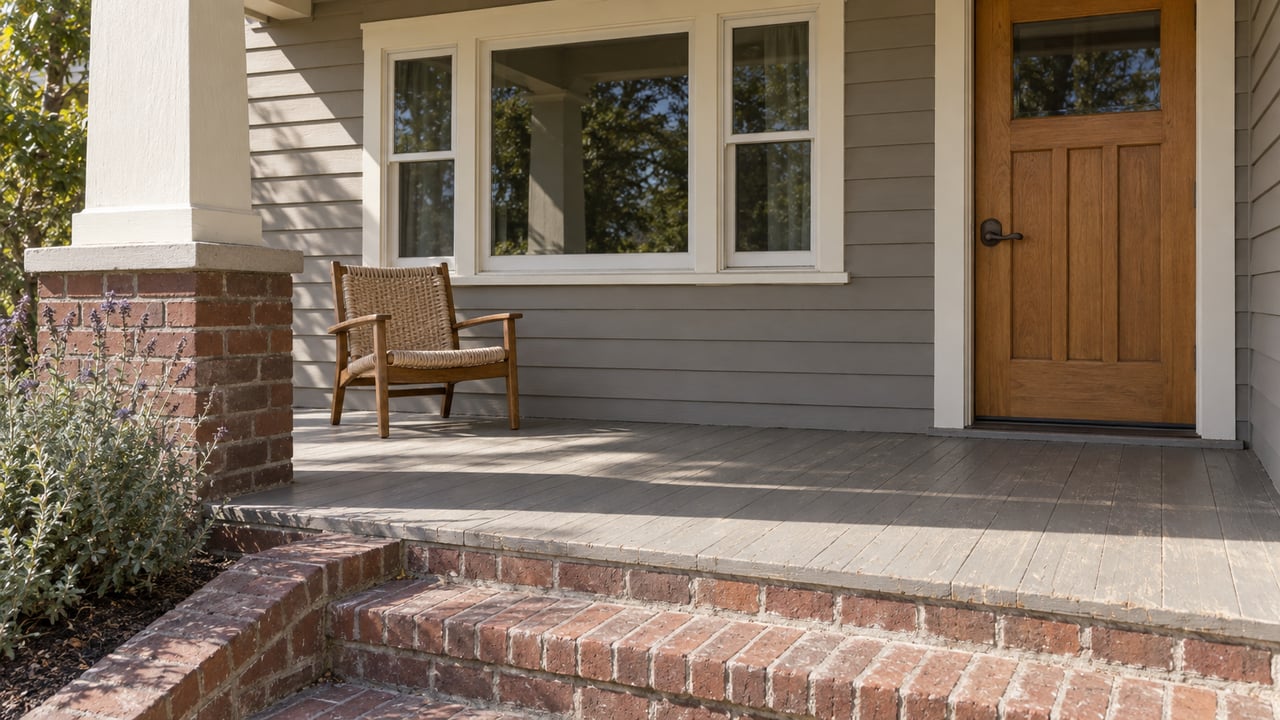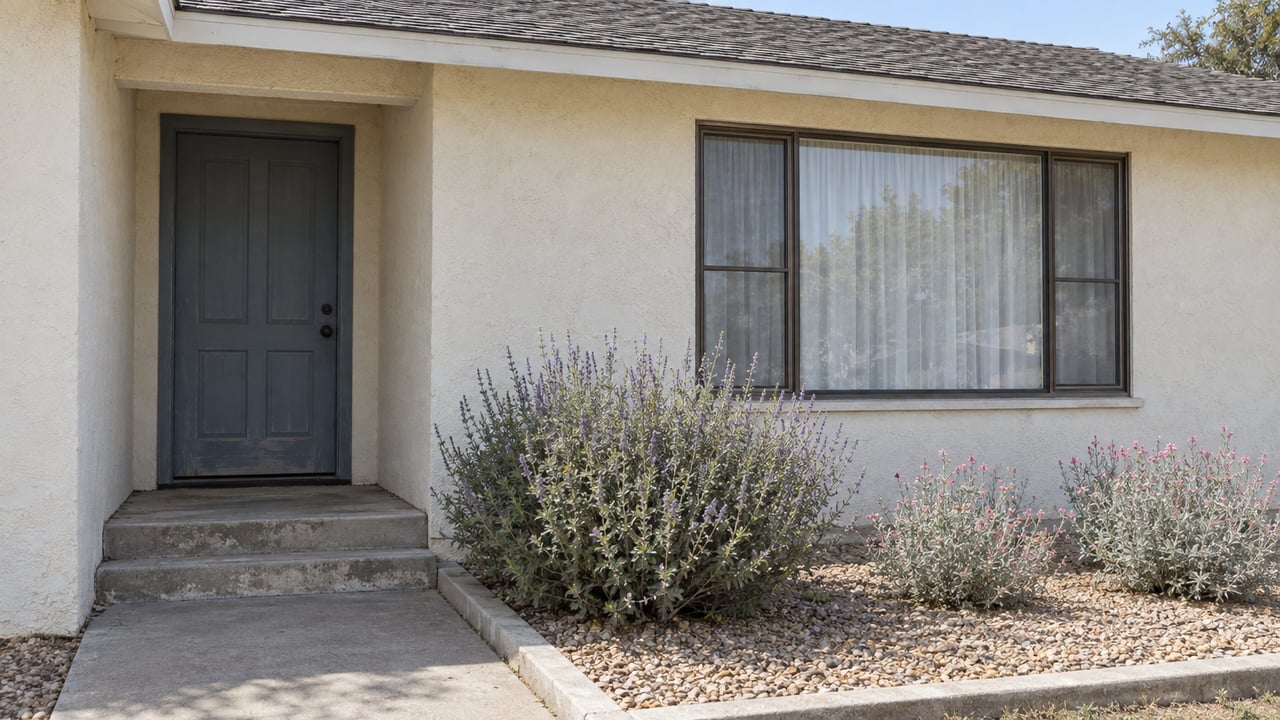
If you are thinking about selling in San Leandro, you may be wondering whether "full-service" really means anything beyond putting your home in the MLS. In a market where the median sale price was $870,479 in May 2026 and homes sold in about 16 days on average, details matter fast. You need a plan that helps your home show well, launch well, and move smoothly from listing to closing. Let’s dive in.
Why full-service matters in San Leandro
San Leandro is still a fast-moving seller market, but that does not mean every home should follow the same playbook. Redfin reports that many homes sell about 7% above list price and go pending in around 15 days, with roughly two offers per home over the prior three months.
That pace can create opportunity, but it can also create pressure. When buyers are moving quickly, presentation, pricing, disclosures, and timing all need to be dialed in from the start.
San Leandro also sits among East Bay markets with very different pricing. Nearby Oakland, Alameda, Berkeley, and Hayward all show a wide range of median prices, which is why a neighborhood-specific strategy matters more than a generic regional approach.
What full-service listing support includes
At its core, full-service listing support means your agent acts as the project lead from prep to close. In California, that often includes pricing strategy, vendor coordination, staging and media planning, MLS and online launch, showing management, and escrow follow-through.
That kind of support matters because selling a home is not just marketing. It also involves a legally binding listing agreement, multiple disclosures, coordination with escrow, and clear communication across several moving parts.
Pricing with local context
A full-service approach starts with pricing your home from recent San Leandro comparables, not broad East Bay averages. Even in a strong market, overpricing can slow momentum, while underpricing without a strategy can leave money on the table.
Your pricing plan should reflect your home’s condition, location, buyer demand, and the likely response in today’s San Leandro market. It should also account for how quickly similar homes are moving and how buyers are reacting to presentation and list price.
Prep and project management
Before your home goes live, full-service support usually includes help identifying the prep work most likely to improve buyer response. That can mean prioritizing repairs, cleaning, decluttering, and scheduling vendors in a clear order.
This part of the process is often where sellers feel the most overwhelmed. A strong listing agent helps you decide what is worth doing now, what can be left alone, and what costs should be clarified before you sign the listing agreement.
C.A.R. notes that the listing agreement sets the listing price, time period, commission, and other terms. It also explains that different agreement forms can affect when the listing broker is paid, so it is smart to understand exactly what services are included and which prep costs are separate.
Staging guidance and presentation
Presentation can shape how buyers value your home. According to NAR’s 2025 staging survey, 83% of buyers’ agents said staging helps buyers visualize a property as a future home, 29% said staging increased the dollar value offered by 1% to 10%, and 49% of sellers’ agents said staging reduced time on market.
For many San Leandro homes, that means full-service support should include staging guidance, whether that is light styling, partial staging, or a more complete plan. The same survey found the most commonly staged rooms were the living room, primary bedroom, dining room, and kitchen.
Staging is not about making your home look generic. It is about helping buyers understand the space, notice the home’s strengths, and feel confident when they decide whether to make an offer.
Photography, video, and digital marketing
Once the home is ready, full-service support should include professional marketing assets. NAR found that buyers’ agents place the most value on photos, with photos rated as the most important item by 73%, followed by physical staging, videos, and virtual tours.
That matters because many buyers will first experience your home online. A polished launch with strong photography and video can improve first impressions before a showing is ever scheduled.
For a boutique East Bay brand like Anne McKereghan’s, this often means a more curated presentation rather than a bare-bones listing. The goal is to help your home stand out with clear visuals, thoughtful copy, and broad exposure across the channels your agent actually uses.
Launch, showings, and offer management
Full-service support also means you are not left on your own once the listing goes live. Modern listing agents often use MLS exposure, websites, social media, and electronic forms and signatures to keep the process moving.
Behind the scenes, someone still needs to coordinate showing schedules, monitor buyer interest, gather feedback, set offer timelines when appropriate, and keep communication organized. In a market where homes can move quickly, that level of coordination can make the difference between a stressful launch and a controlled one.
Escrow support through closing
The job does not end when you accept an offer. In California, escrows are commonly handled by independent escrow companies licensed by the Department of Financial Protection and Innovation or by title insurance companies licensed by the Department of Insurance.
The California Department of Real Estate explains escrow as a neutral third-party arrangement that holds documents and funds until the terms are met. During that period, a strong listing agent helps you stay informed about key milestones, repair requests, contingency removals, and closing documents.
Disclosures are a major part of service
In California, seller disclosures are not a side task. They are a central part of the listing process and should be addressed early.
The Transfer Disclosure Statement, or TDS, describes the property’s physical condition and potential hazards or defects. The California Department of Real Estate says it must be delivered as soon as practicable and before transfer of title, and it is a disclosure rather than a warranty.
Your agent also has a role here. The seller’s agent participates in disclosures and completes a visual inspection for readily observable defects, which makes disclosure preparation part of the listing workflow, not just closing paperwork.
C.A.R.’s Seller Property Questionnaire is not required by law in every case, but it is often required by the purchase contract. It helps capture material facts that may not fit neatly on the TDS, which is another reason full-service support should include guidance on how and when to prepare these forms.
Natural hazard and local transfer tax planning
Some disclosures are location-related as well. The California Geological Survey notes that sellers and their agents must provide a Natural Hazard Disclosure Statement when a property lies in mapped hazard areas.
Costs also vary locally, which is especially important in the East Bay. In Alameda County, the documentary transfer tax is $1.10 per $1,000 of full value, and the City of San Leandro transfer tax is $11.00 per $1,000.
Those rates are different from nearby cities like Alameda, Hayward, Berkeley, and Oakland. That is one more reason a San Leandro sale should be planned with local numbers in mind rather than assumptions from another market.
What white-glove support should feel like
For you as a seller, full-service should feel organized, transparent, and calm. You should know who is handling what, what the next step is, and where your money is going.
A boutique, hands-on model often includes a small coordinated team, project management for prep, transaction coordination, staging and vendor coordination, and premium marketing resources. That structure can reduce friction and help you stay focused on decisions instead of chasing logistics.
Just as important, good service should be clear about boundaries. Before you sign, you should understand which services are included, which vendors are coordinated, and which costs are paid separately.
Questions to ask before signing
If you are comparing agents, ask direct questions that help you understand how the process will actually work. A full-service promise is only useful if the details are clear.
Consider asking:
- What prep tasks will you personally manage, and what will I need to hire separately?
- Which vendors do you coordinate, and how do you select them?
- Is staging included, recommended, or optional, and which rooms do you prioritize?
- What exact marketing assets will you produce?
- How will you price the home from recent San Leandro comps?
- How will you handle disclosures, inspections, and repair negotiations?
- Who is the escrow contact, and how often will I get updates?
- What are the total costs, and who pays for staging, photos, cleaning, repairs, and transfer taxes?
- How do you handle multiple offers, contingencies, and final walk-throughs?
- How often will you communicate, and by what method?
- Can I verify your DRE license and recent San Leandro sales?
These questions help you compare service models in a practical way. They also make it easier to spot the difference between basic listing input and true prep-to-close support.
The bottom line for San Leandro sellers
In San Leandro, full-service listing support should do more than get your home online. It should help you make smart prep decisions, present the home well, price it with local context, manage disclosures carefully, and stay informed through escrow and closing.
In a market that moves quickly, that kind of structure can protect your time, reduce avoidable stress, and support a stronger outcome. If you want a thoughtful, neighborhood-savvy plan for selling in the East Bay, Anne McKereghan can help you take the next step.
FAQs
What does full-service listing support mean for a San Leandro home sale?
- It usually means your agent helps lead the process from pricing and prep through staging, marketing, showings, disclosures, escrow, and closing.
Why is local pricing important for a San Leandro listing?
- San Leandro sits near East Bay markets with very different median prices, so pricing should be based on recent local comps and neighborhood-specific buyer demand.
What disclosures do sellers need for a San Leandro property?
- Common disclosure steps include the California Transfer Disclosure Statement, often the Seller Property Questionnaire, and a Natural Hazard Disclosure Statement when the property is in a mapped hazard area.
How fast are homes selling in San Leandro right now?
- As of May 2026, Redfin reported that homes in San Leandro sold in about 16 days on average, with many going pending in around 15 days.
What transfer taxes apply when selling a home in San Leandro?
- Alameda County’s documentary transfer tax is $1.10 per $1,000 of full value, and the City of San Leandro transfer tax is $11.00 per $1,000.
What should you ask before signing a San Leandro listing agreement?
- Ask what services are included, which costs are separate, how pricing is set, how disclosures and escrow updates are handled, and whether you can verify the agent’s DRE license and recent local sales.