If you have started looking in Castro Valley, you have probably noticed one thing fast: this community does not feel the same from one area to the next. A home near the BART station can live very differently from a home on a hillside road or in a postwar tract neighborhood. Understanding those differences can help you narrow your search, ask better questions, and choose a location that fits your daily life. Let’s dive in.
Why Castro Valley Feels So Varied
Castro Valley is an unincorporated Alameda County community, so Alameda County planning documents are the clearest source for how the area is organized. County planning describes Castro Valley as a collection of neighborhoods shaped by its hills-and-bowl geography, major roads, and a wide range of residential density.
That physical layout matters when you are buying a home. County materials show that residential density ranges from less than 1 unit per net acre in some hillside areas to as much as 14 dwellings per net acre south of I-580. In plain terms, Castro Valley is not one uniform suburb. It is a mix of neighborhood types with very different feel, access, and housing patterns.
Three Main Neighborhood Types
For most homebuyers, it helps to think about Castro Valley in three broad categories:
- Canyon and foothill neighborhoods
- Suburban tract neighborhoods
- Central Castro Valley and BART-adjacent pockets
These are not official real estate marketing labels. They are a practical way to understand how county land use, road patterns, and terrain shape the homebuying experience.
Canyon and Foothill Neighborhoods
What These Areas Feel Like
The neighborhoods along the north, east, and south edges of Castro Valley tend to be more terrain-driven. Alameda County identifies these edge areas as the parts of the community where residential neighborhoods more often border wooded or grassy open space.
That setting can create a sense of privacy and openness that many buyers love. You may also find stronger connections to the landscape, with homes that sit on slopes, larger lots in some areas, and a more tucked-away feel than you would see closer to the central valley floor.
What Buyers Should Watch
With that setting comes a different set of practical considerations. County planning ties hillside residential and rural residential areas to steeper slopes, lower density, and in some cases higher fire hazard conditions.
If you are considering a canyon-edge or foothill home, pay close attention to:
- Slope and driveway grade
- Road access and turning space
- Vegetation management needs
- Proximity to open space
- Ongoing exterior maintenance
These details can shape both convenience and long-term upkeep. A beautiful hillside setting may offer more views or privacy, but it can also require more planning for day-to-day access and property care.
Open Space Is a Major Draw
One of the biggest reasons buyers gravitate to these areas is access to outdoor space. Lake Chabot Regional Park offers more than 20 miles of hiking trails, Five Canyons Open Space has more than 300 acres and five miles of trails, and Anthony Chabot Regional Park connects to the East Bay Skyline Trail system.
For buyers who want a home that feels closely tied to nature, these areas can be especially appealing. The tradeoff is that the same open-space edge that creates the setting can also bring added attention to vegetation, terrain, and wildfire awareness.
A Good Example: Greenridge
Greenridge helps illustrate how distinct some Castro Valley hillside neighborhoods can feel. County materials highlight Eichler homes built on slopes there, showing how architectural identity and challenging terrain can exist side by side.
That is a useful reminder for buyers. In Castro Valley, neighborhood type is not just about price point or square footage. It is also about how the land itself shapes the home.
Suburban Tract Neighborhoods
What These Areas Feel Like
If you picture a more classic suburban experience, many Castro Valley tract neighborhoods may feel familiar. County planning distinguishes older postwar starter-home areas from later subdivisions built from the 1960s through the 1990s.
These areas often offer a more predictable street pattern and a more regular relationship between house, lot, and roadway. Compared with canyon-edge neighborhoods, they can feel easier to navigate day to day.
Street Patterns Tell You a Lot
One of the clearest differences within this category is street layout. County documents note that some older postwar areas west of the high school and south of I-580 were laid out on a grid, while later subdivisions tend to feature curving streets and cul-de-sacs.
That may sound like a small detail, but it can affect how a neighborhood feels. Grid streets can feel more connected and straightforward, while curving streets and cul-de-sacs often feel more enclosed and residential.
Housing Styles Vary Across Tracts
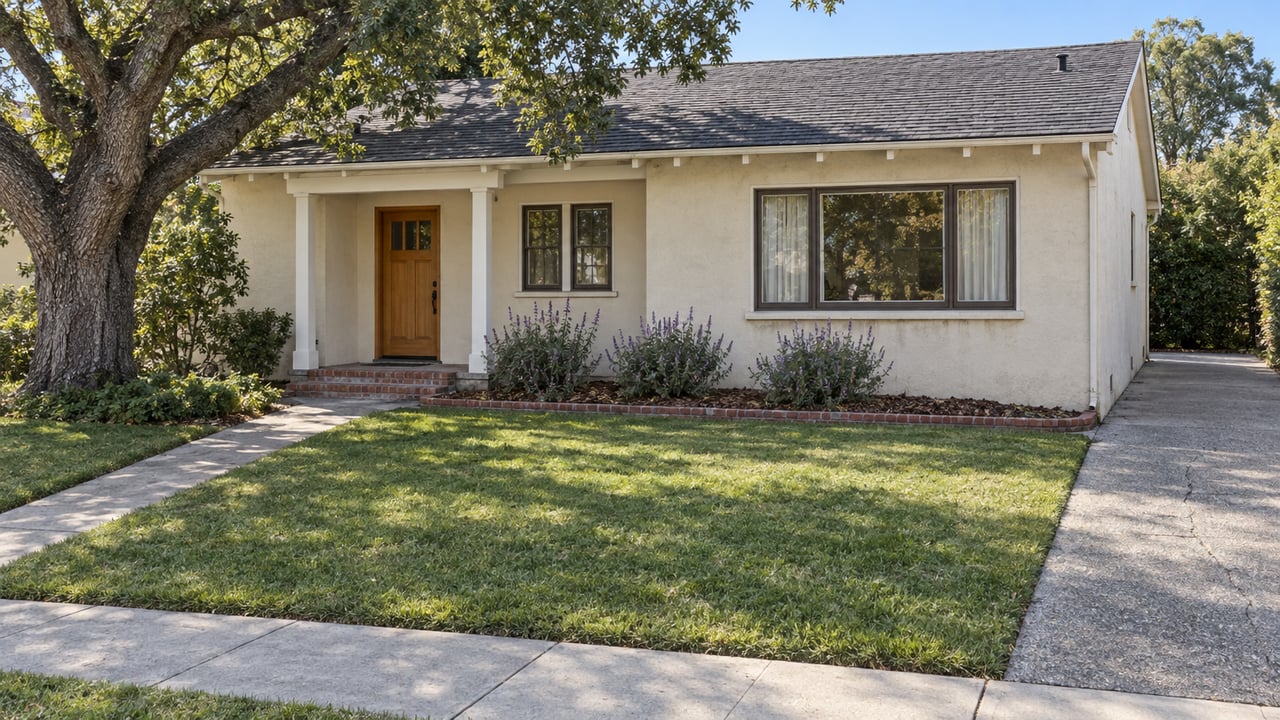
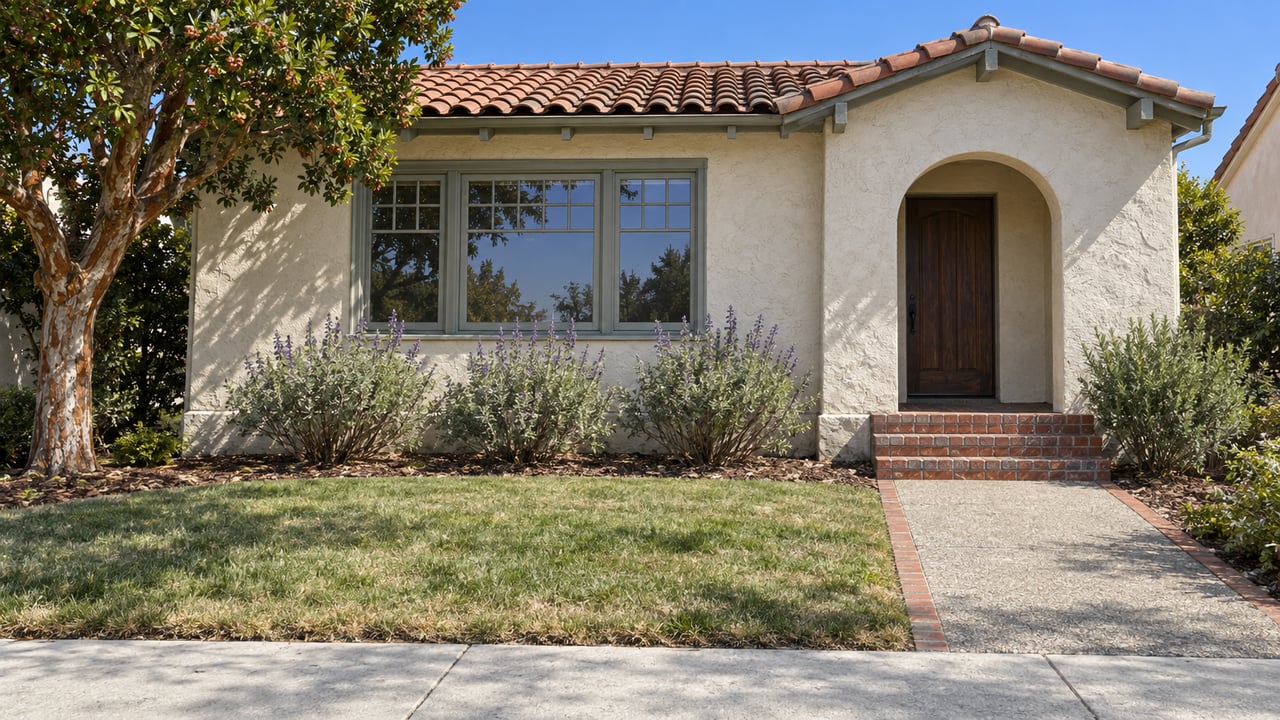
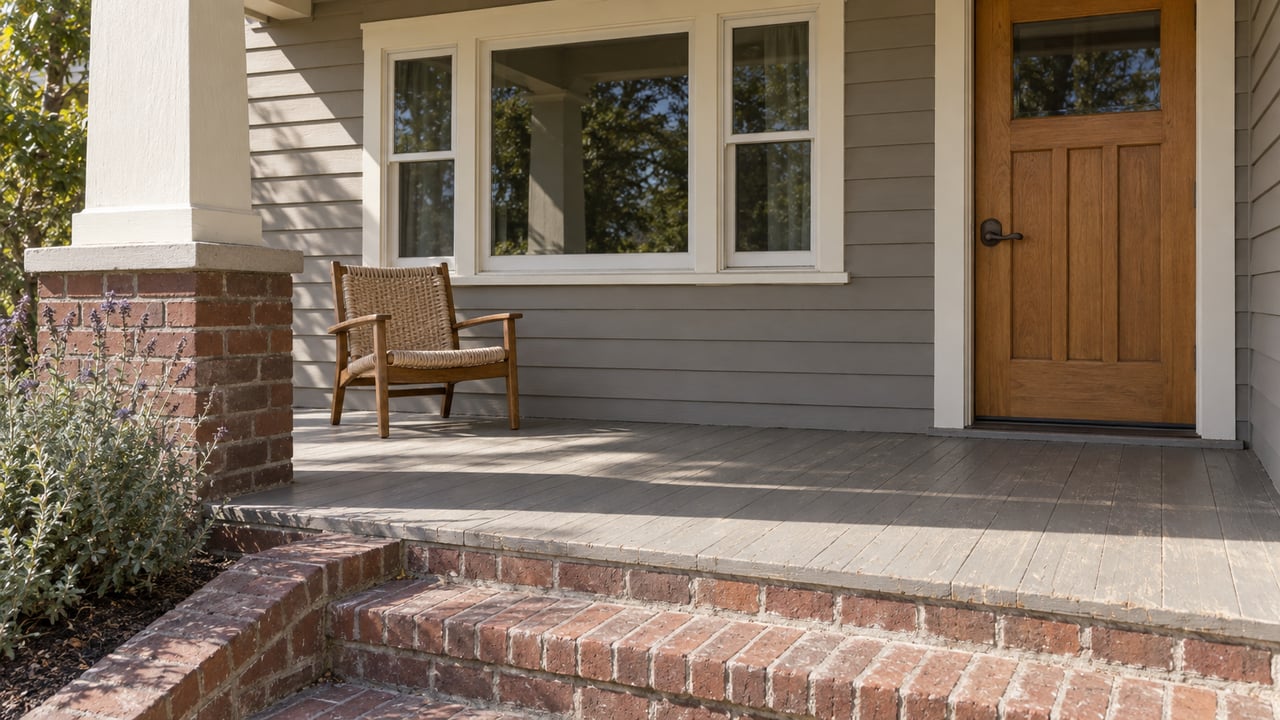
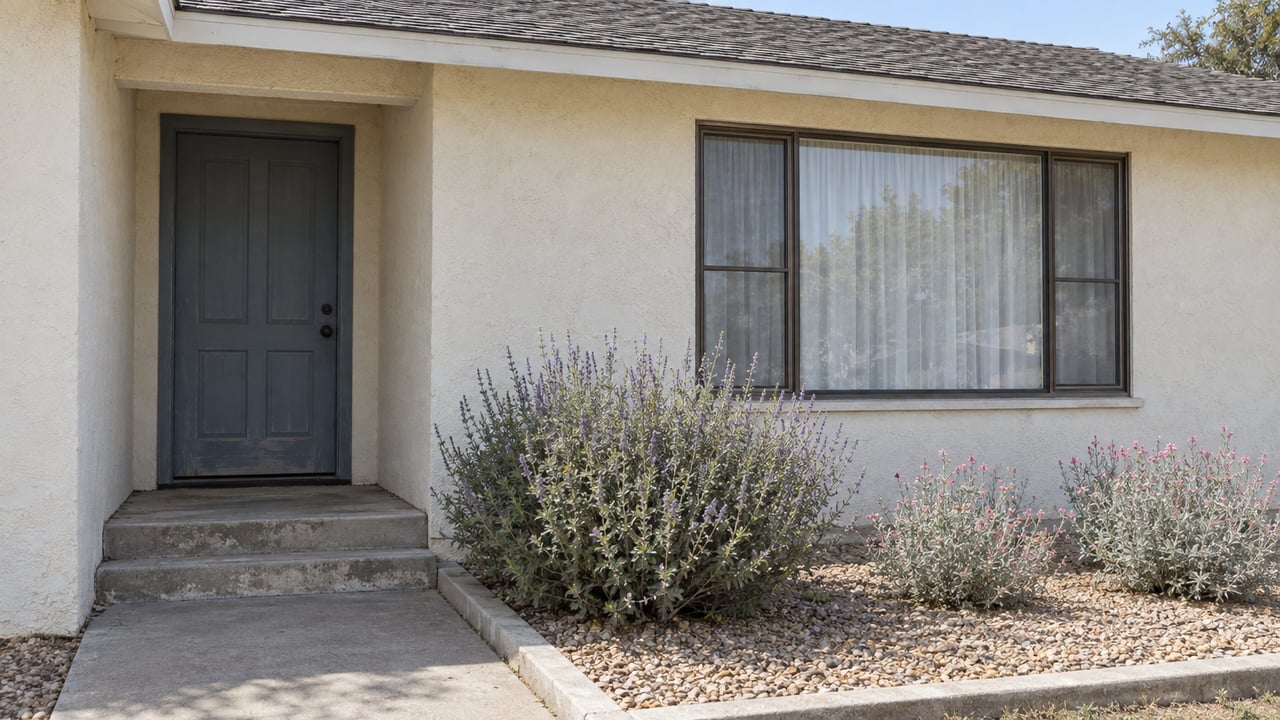
Castro Valley’s housing stock includes California bungalows, Period Revival homes, postwar ranch houses, and distinct Eichler neighborhoods such as Greenridge and Crow Canyon. That gives buyers a broader architectural mix than they might expect from a single suburb.
If you are drawn to mid-century design, ranch layouts, or older homes with a bit more character, tract areas can offer strong variety. The key is to look beyond the broad label and pay attention to the age and planning pattern of each pocket.
Planned Developments and Open Space
County planning also notes that later suburban developments, including Columbia and Palomares Hills, were planned developments that preserved substantial open space. That can create a quieter residential feel while still offering more regular lot shapes and easier driving access than homes on canyon edges.
For many buyers, this category offers a middle ground. You may get more residential calm and some open-space character without the same terrain challenges found in steeper hillside locations.
The Long-Lot Pattern Explained
Some parts of Castro Valley do not fit neatly into a standard tract pattern. County materials identify a long-lot pattern where narrow former agricultural parcels were later subdivided, sometimes with very narrow private roads off Proctor.
If a street feels deeper, narrower, or less conventional than expected, this history may be part of the reason. For buyers, that means access and lot configuration deserve a close look, even in areas that seem suburban at first glance.
Central Castro Valley and BART-Adjacent Pockets
What Makes the Central Area Different
The most transit-oriented and compact part of Castro Valley centers around Castro Valley Boulevard, Redwood Road, Lake Chabot Road, Norbridge Avenue, and nearby residential streets. Alameda County’s specific plan describes the BART station area as pedestrian-oriented and connected to higher-density residential and joint-development activity.
This is the part of Castro Valley where residential and commercial uses sit closest together. If convenience is high on your list, this area may stand out.
Why Buyers Consider This Area
Castro Valley Station is served by BART’s Dublin/Pleasanton to Daly City line and by AC Transit. That makes the central pocket the strongest transit-access location in the community.
For some buyers, that can be a major advantage. You may have easier access to transit, errands, and everyday services than in other parts of Castro Valley.
The Tradeoff: Convenience Versus Separation
Central Castro Valley usually offers the most day-to-day convenience, but it also tends to have less separation between residential streets and commercial activity. That is not a negative or a positive on its own. It simply creates a different living experience.
If you want a more compact setting with mixed housing forms and easier errands access, this area may be a strong fit. If you prefer a quieter or more tucked-away feel, you may lean toward tract or foothill neighborhoods instead.
Why This Area May Keep Evolving
Alameda County’s Transit-Oriented Communities work identifies the Castro Valley BART Station Area as a focus area. That suggests the station area will likely remain the part of Castro Valley most associated with added housing and commercial density near transit.
For buyers, that makes future context worth paying attention to. In central areas especially, understanding not just the current block but also the broader planning direction can be helpful.
How to Compare Neighborhood Types
When you tour homes in Castro Valley, try not to focus only on bedrooms, bathrooms, and list price. The better question is how each neighborhood type supports your daily routine.
A few comparison points can help:
| Neighborhood type | Common strengths | Common considerations |
|---|---|---|
| Canyon and foothill | Privacy, open feel, access to regional open space, terrain-driven character | Slope, vegetation management, road access, wildfire awareness |
| Suburban tract | More predictable lot shapes, easier parking and access, broad mix of mid-century and postwar homes | Layout and feel can vary widely by subdivision age and street pattern |
| Central and BART-adjacent | Strong transit access, errands convenience, more compact setting | Less separation between residential and commercial activity |
Smart Questions to Ask Before You Buy
No matter which part of Castro Valley interests you most, the most useful questions are often physical and practical. Alameda County planning materials repeatedly connect neighborhood character to terrain, roads, density, and open-space relationships.
As you compare homes, consider asking:
- How steep is the lot and driveway?
- Is the road public or private?
- How easy is daily access in and out?
- How close is the home to open space?
- What kind of lot depth and shape does the property have?
- Do you want stronger transit and errands access, or more separation and privacy?
Those questions can quickly bring clarity. Two homes with similar size and price can feel completely different once you factor in slope, access, and location pattern.
Why Local Guidance Matters in Castro Valley
Castro Valley rewards buyers who look beyond the listing photos. The same community includes hillside Eichlers, postwar grids, curving planned developments, narrow long-lot streets, and transit-oriented central pockets.
That variety is part of the appeal, but it also means neighborhood fit matters. When you understand how Castro Valley is physically organized, you can search with more confidence and avoid surprises after closing.
If you want help narrowing down the right Castro Valley neighborhood type for your goals, reach out to Anne McKereghan for thoughtful, local guidance tailored to how you want to live.
FAQs
What are the main neighborhood types in Castro Valley for homebuyers?
- The main types are canyon and foothill neighborhoods, suburban tract neighborhoods, and central Castro Valley or BART-adjacent pockets.
What should buyers know about hillside neighborhoods in Castro Valley?
- Hillside areas often offer more privacy, open-space access, and terrain-driven character, but buyers should pay close attention to slope, road access, vegetation management, and wildfire awareness.
What makes central Castro Valley different from other areas?
- Central Castro Valley is the most transit-oriented part of the community, with stronger access to BART, AC Transit, errands, and mixed residential-commercial activity.
Are Castro Valley suburban neighborhoods all the same?
- No. County planning documents note differences between older postwar grid neighborhoods and later subdivisions with curving streets and cul-de-sacs, and housing styles vary across these areas.
Why do some Castro Valley streets feel narrow or unusual?
- In some areas, narrow or deeper-feeling streets reflect a long-lot pattern where former agricultural parcels were later subdivided, sometimes with narrow private-road access.
What is the best way to compare Castro Valley neighborhoods as a buyer?
- Focus on practical factors such as slope, lot depth, road access, proximity to open space, and how much daily convenience or separation from commercial activity you want.