Torn between a romantic Victorian and a welcoming Craftsman in Alameda? You’re not alone. Both styles capture the island’s charm, and each offers a different way to live day to day. In this guide, you’ll learn the hallmark features, floor-plan differences, inspection priorities, upgrades, and resale factors that matter in Alameda’s market. Let’s dive in.
Alameda’s character-home backdrop
Alameda grew up during the late 1800s and early 1900s, which is why you see clusters of Victorians and Craftsman bungalows on tree-lined streets. Many of these homes blend original details with later updates, and some areas may fall under local historic review for exterior changes. If you enjoy context, the Alameda Museum’s historic photos are a helpful window into how these neighborhoods evolved.
When you compare homes, keep in mind that Alameda’s older houses often sit on narrower lots, have mature landscaping, and may show a mix of preserved elements and modern systems. Always confirm any historic-district rules before planning exterior work.
Curb appeal: Victorian vs Craftsman
Victorian exteriors
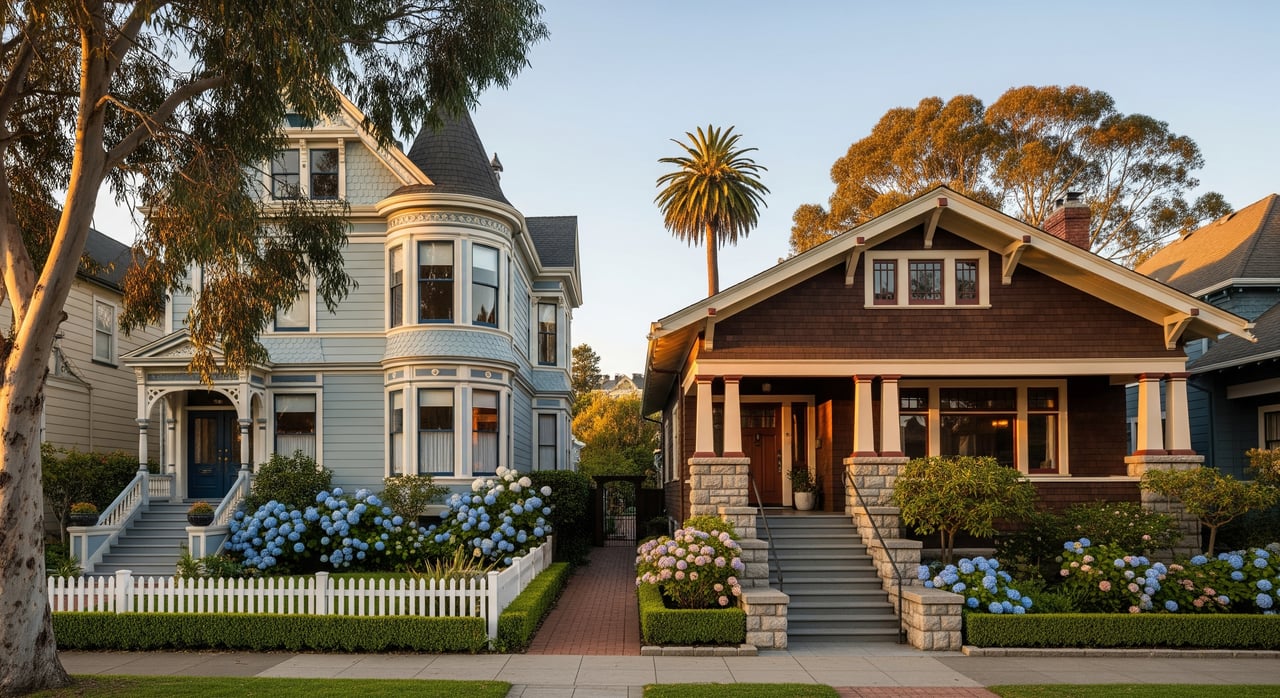
Victorians in Alameda are known for eye-catching detail and vertical drama.
- Asymmetrical facades with complex, steep rooflines; look for towers, turrets, and bay windows.
- Ornate trim, patterned wood shingles, and spindlework porches that read like lace.
- Taller, narrow windows and occasional stained or leaded glass.
- Common materials include wood clapboard and shaped shingles.
Craftsman exteriors
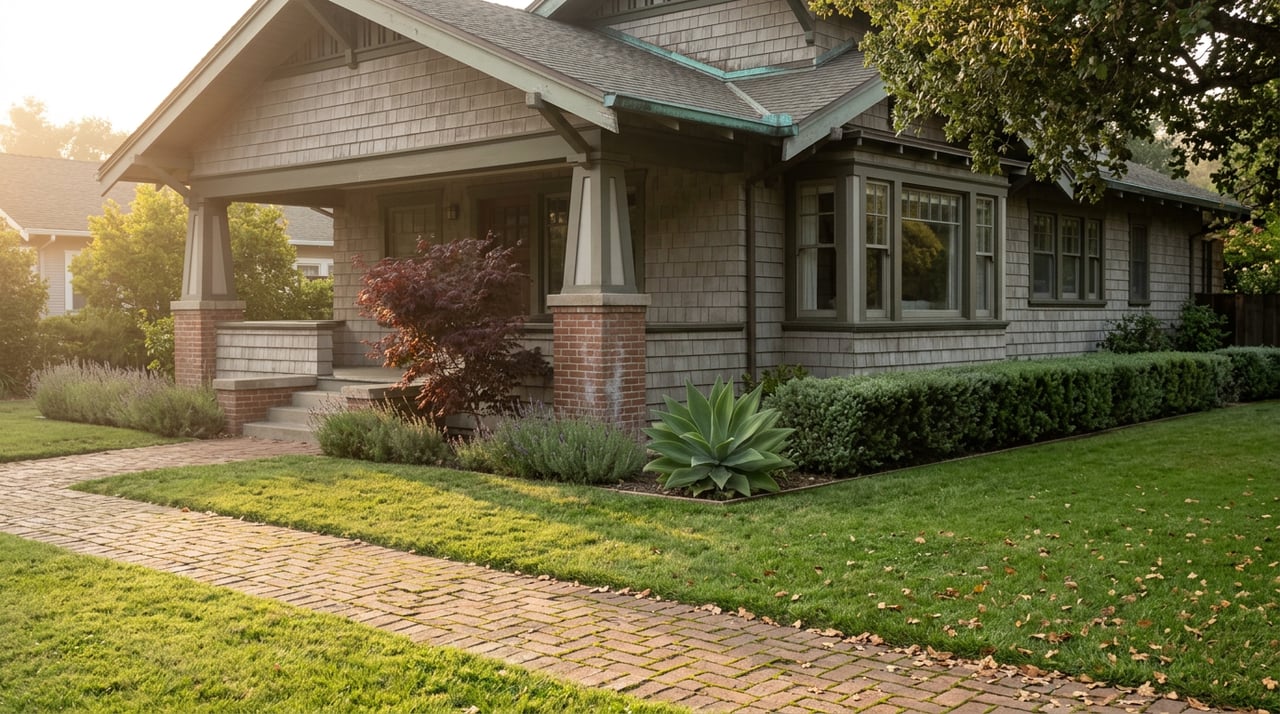
Craftsman houses feel grounded and horizontal, often with inviting outdoor space.
- Low-pitched gabled roofs with wide eaves and exposed rafter tails.
- Substantial porches with tapered piers on stone or brick bases designed for daily use.
- Natural wood, shingle or clapboard siding, and warm, honest detailing.
- Many are single or one-and-a-half stories, with some larger two-story examples.
How the interiors live
Victorian floor plans and finishes
Victorians favor a formal, compartmentalized layout.
- Separate parlor and dining room, plus a defined entry hall and a smaller kitchen in original plans.
- Narrower rooms and hallways with a prominent, decorative staircase.
- High ceilings, ornate trim, picture rails, decorative mantels, and occasional stained glass.
This plan can be great if you like distinct rooms for different activities. It may feel more segmented if you prefer open sightlines.
Craftsman floor plans and finishes
Craftsman homes lean into flow and warmth.
- Living and dining spaces often connect, with built-ins visually defining each area.
- A central hearth or fireplace usually anchors the main room.
- Expect built-in bookcases, window seats, abundant natural wood trim, and stronger indoor-porch connections.
Original Craftsman kitchens were modest, so many have been sensitively updated over time. The simpler interior language often makes it easier to open space while keeping character.
Systems and structure you should expect
Alameda’s character homes typically predate modern codes. Whether you lean Victorian or Craftsman, plan to evaluate:
- Electrical: older wiring such as knob-and-tube in the oldest homes and undersized service in some cases.
- Insulation and windows: uninsulated walls/attics and single-pane windows are common in originals.
- Plumbing: galvanized steel and older joints may appear; partial replacements are typical.
- Wood and moisture: termite risk and rot at eaves, porches, and trim.
- Foundation and seismic: many older homes benefit from bolting and cripple-wall bracing.
Craftsman interiors can be a bit easier to reconfigure toward open living, but either style can work with thoughtful design and respect for original details.
What to inspect before you fall in love
A good inspector is essential for older Alameda homes. These items deserve extra attention:
- Structural and seismic: foundation condition, presence and quality of seismic upgrades, and any signs of movement.
- Roof and eaves: look closely at flashing, rafter tails, and areas prone to water intrusion.
- Pest and moisture: termite inspection is standard in the Bay Area for wood-framed homes.
- Mechanical systems: electrical capacity and wiring type, age of water heater and HVAC, and sewer lateral condition.
- Hazardous materials: lead-based paint in pre-1978 homes and potential asbestos in some older materials. Renovations should follow proper procedures.
Style-specific checks:
- Victorian: plaster vs. drywall condition, stair stability and attachment, and stained-glass condition and weatherproofing.
- Craftsman: condition of built-ins and original millwork, porch columns and stonework, and the integrity of exposed rafters.
For added context, the National Trust and trade resources share helpful primers. Browse practical articles on inspecting older homes to understand typical findings.
Upgrades, costs, and smart sequencing
Plan your budget in phases so you handle the essentials first and the cosmetic items second.
- Systems first: electrical panel/service upgrades, plumbing replacements, and HVAC modernization are common investments.
- Seismic safety: many buyers prioritize foundation bolting and shear panels. For a high-level overview, see seismic retrofit guidance for homeowners.
- Energy comfort: insulation, air sealing, and window strategies can improve comfort, but discuss options if the home is in a historic district.
- Preservation vs. renovation: keeping original features such as mantels, staircases, stained glass, and built-ins typically enhances long-term value. Skilled restoration work can cost more than simple replacement, but the result is often more compelling and marketable.
If you’re weighing scope, the National Trust’s resources are a good big-picture reference for balancing old and new; explore their guidance on preservation and neighborhood context.
Rules, permits, and potential incentives
Before you plan visible exterior changes, confirm whether the home is in a designated historic area. In Alameda, locally designated properties may require design review for exterior alterations. Interior changes are less commonly regulated unless tied to landmark status.
- Permitting: structural, electrical, plumbing, and similar work require permits. Unpermitted work can affect resale and financing.
- Mills Act: California’s Mills Act provides contract-based property tax relief for qualifying historic properties in jurisdictions that participate. Learn more from the California Office of Historic Preservation. Availability and terms vary, so verify local participation and requirements.
Resale outlook in Alameda
Both styles perform well when they are well-maintained and thoughtfully updated.
- Emotional appeal: Victorians attract buyers who love ornate facades and formal rooms. Craftsman homes resonate with those who want warmth, built-ins, and porch-oriented living.
- Practical drivers: quality of restoration, sensitive kitchen and bath updates, and solid mechanical systems make a big impact on marketability.
- Location and lot: proximity to daily amenities and the shoreline can carry significant weight, sometimes more than the style itself.
Financing, insurance, and appraisal notes
Older homes can require extra documentation during escrow.
- Appraisals: character homes benefit from strong comps and clear records of permitted upgrades; undocumented work can complicate valuation.
- Insurance: confirm coverage for older electrical/plumbing systems and whether seismic retrofits affect policy terms or premiums.
- Lender requirements: safety and habitability issues, such as major electrical hazards or active leaks, may need to be addressed prior to closing.
Touring checklist: Victorians and Craftsman in Alameda
Use this quick list during showings and follow-up inspections.
Exterior
- Look for wood rot or soft spots at sills, porches, and eaves.
- Check roofline complexity and flashing details for potential leak points.
- Inspect porch supports and stonework on Craftsman homes.
- Note window and trim condition; assume lead paint protocols for pre-1978 exteriors.
Interior
- Check stair stability and the condition of plaster vs. drywall.
- Inspect fireplaces and chimneys; ask about cleaning and repairs.
- Evaluate built-ins and millwork on Craftsman homes for restoration needs.
- Assess kitchen size and how it could be reconfigured while preserving character.
Systems and structure
- Ask about the age of the electrical service and documented upgrades.
- Request sewer lateral information and permits for any prior work.
- Confirm seismic retrofits such as foundation bolting and bracing.
- Note HVAC and water heater age and recent service.
Documentation and legal
- Request the property’s permit history and any code notices.
- Confirm any historic-district designation and design review rules.
- Ask for prior inspection reports if available.
Which style fits your life?
Choose Victorian if you value ornate detailing, high ceilings, and traditional, defined rooms that can host specific activities. Choose Craftsman if you prefer a warmer, connected living-dining flow, built-ins, and an everyday porch life. Either style can meet modern needs with the right upgrades and a plan that respects the home’s character.
Ready to see how each feels in person? See how Victorian ornament and Craftsman warmth compare side by side. Reach out to Anne McKereghan to plan a guided tour of representative Alameda homes and discuss upgrade priorities.
FAQs
Which Alameda style is better for modern open living?
- Craftsman floor plans are typically easier to adapt for open flow, while Victorians can be opened up with thoughtful design that preserves key details.
Are Victorians harder to maintain than Craftsman homes in Alameda?
- Maintenance depends on condition and prior care. Victorians have more decorative trim to paint and repair, while Craftsman porches and exposed wood also need attention.
Will historic designation make renovations difficult in Alameda?
- It can add steps. Exterior changes in designated areas may require review and approval. Interior work is less commonly regulated; confirm specifics with city staff.
What should I budget for hidden repairs on a character home?
- Plan for possible seismic work, electrical upgrades, and plumbing replacements. Get a comprehensive inspection and specialist bids to set a realistic budget.
Which style typically sells faster or for a higher price in Alameda?
- Both are desirable. Resale depends on location, condition, and the quality of updates that preserve character while adding modern convenience.
How do I balance preservation with modern needs like kitchens and HVAC?
- Handle systems first for safety and comfort, then plan reversible or sensitive updates that retain defining features like mantels, trim, staircases, and built-ins.