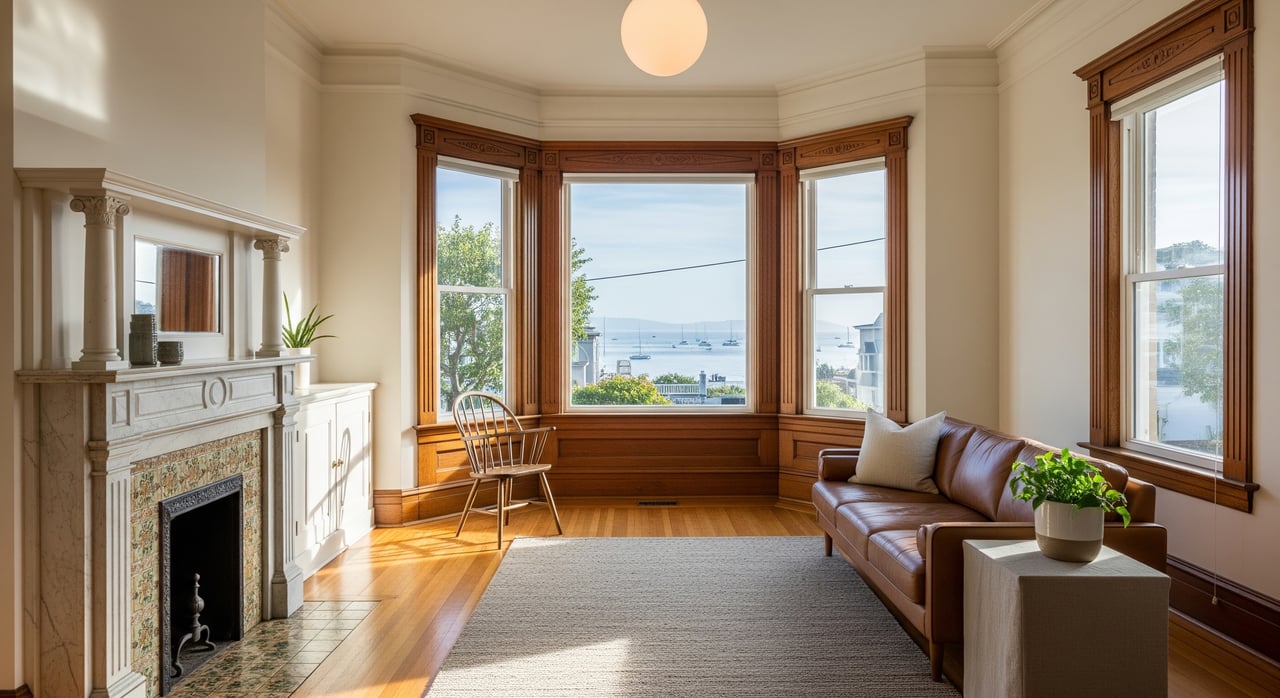
Drawn to stained glass, tall ceilings, and front porches that invite neighbors to pause and say hello? If you are considering an Alameda Victorian or Craftsman, you already know the charm is real. You also want a clear picture of daily life, upkeep, and what to expect before you buy. This guide walks you through the lifestyle, the practical maintenance, and the local rules that shape living in Alameda’s historic homes. Let’s dive in.
What makes Alameda homes special
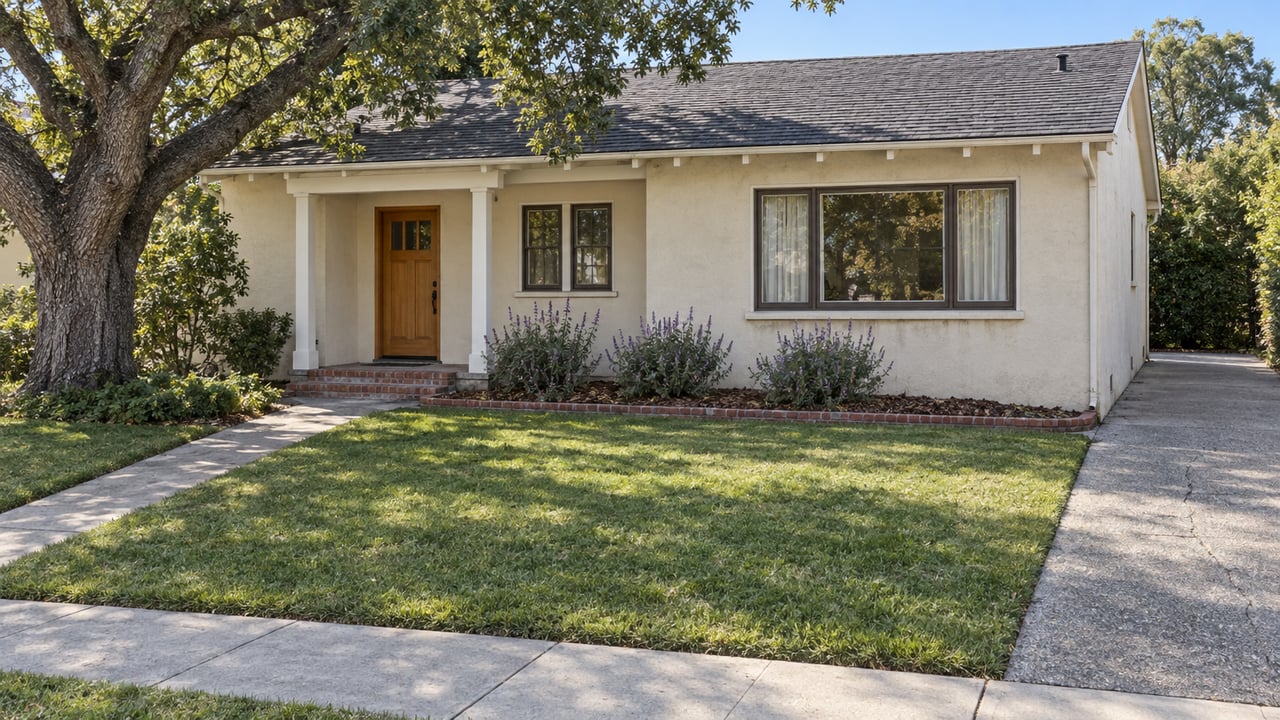
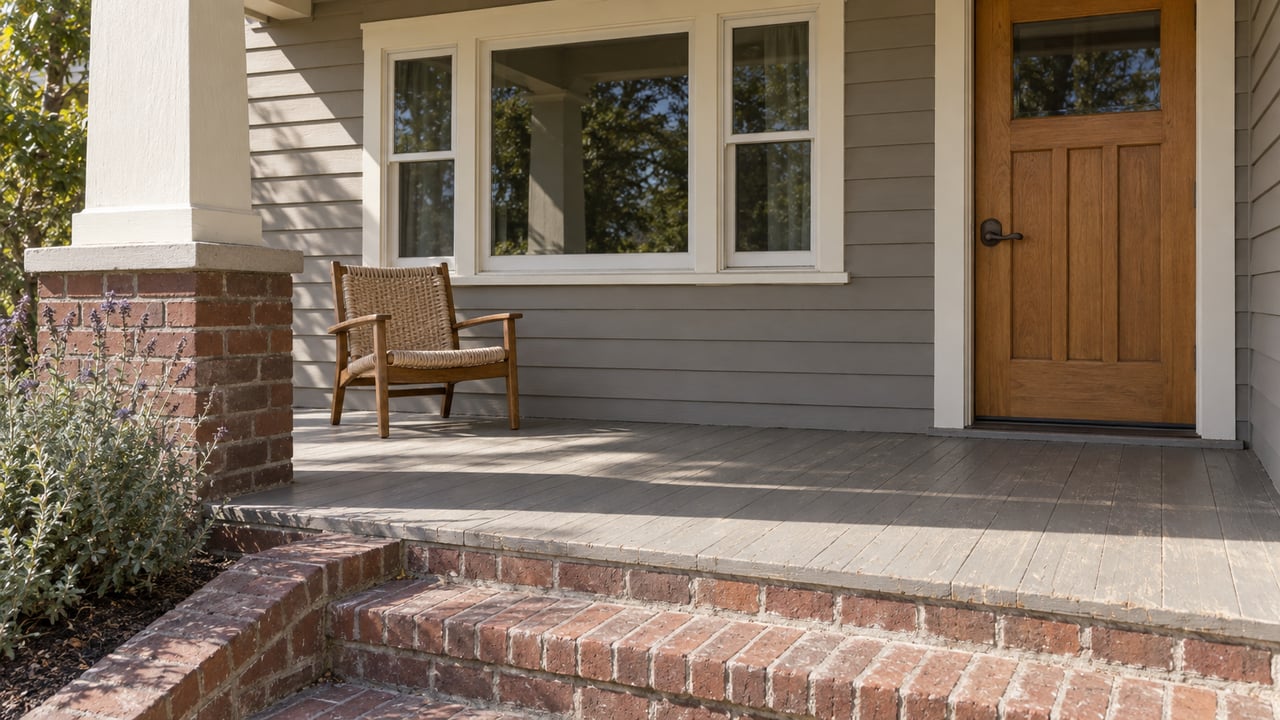
Alameda’s character homes span Victorian-era showpieces, Craftsman bungalows, and early 20th-century Edwardians. You’ll notice ornate trim, bay windows, and steep gables on many Victorian facades. Craftsman homes often feature low-pitched roofs, exposed rafters, and warm interior woodwork.
Inside, many homes retain original details such as pocket doors, picture rails, plaster moldings, built-in cabinetry, and period fireplaces. These features give each home a one-of-a-kind feel. Streets are walkable and lined with mature trees, and lots are often narrow with welcoming porches and small planted yards.
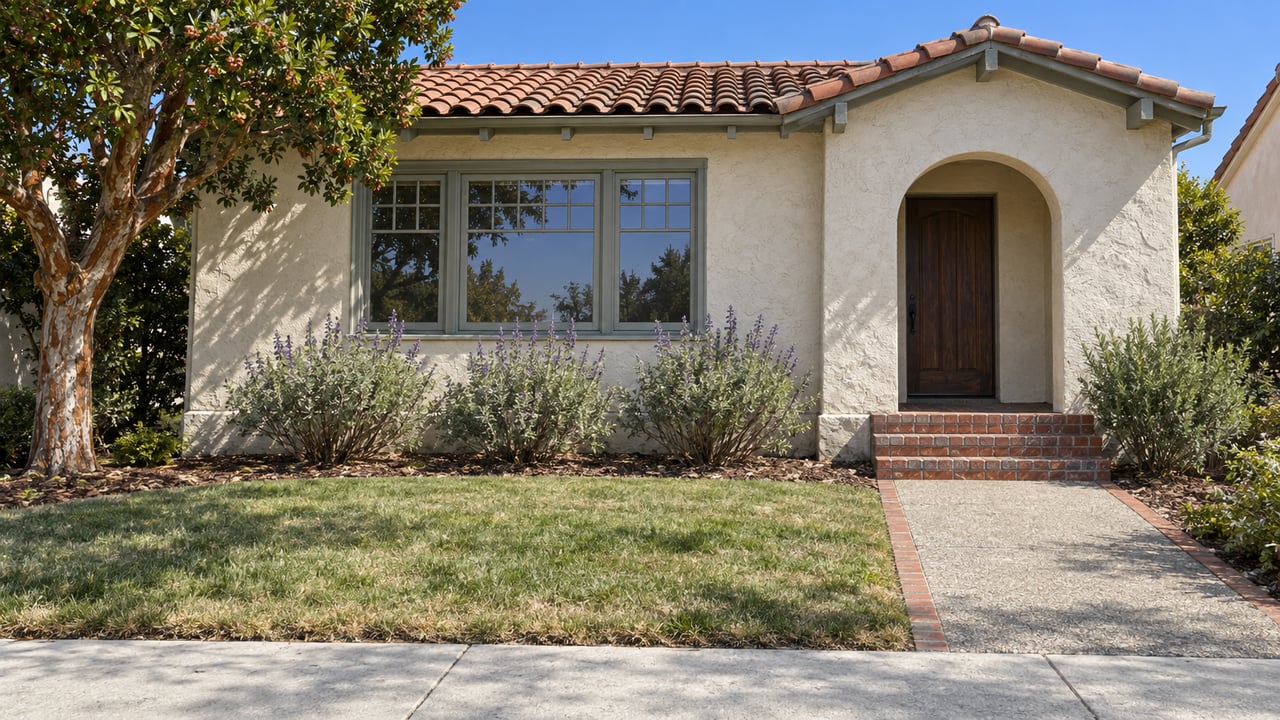
You will also find Mission Revival and Spanish Colonial touches in pockets across the island. In some West End areas and near Alameda Point, there is a mix of historic structures and newer infill. Together, these pieces create a streetscape that feels cohesive yet varied.
Neighborhoods and daily rhythms
Walkability and errands
If you enjoy a quick coffee or grocery run, you will appreciate the Park Street corridor and nearby blocks. Many errands are walkable, with cafés, bakeries, and small markets close by. Neighborhood social life often flows through these local businesses and community events.
Commute and transit
You have several options to reach regional job centers. Ferry service, bus connections, and easy access to Oakland and the East Bay’s freeway network support commutes to San Francisco and around the Bay. Exact routes and schedules change, so plan your day based on the most current information.
Microclimate and outdoor life
Alameda’s island setting moderates temperatures. Summers run cooler and breezier than inland East Bay areas, with morning fog and reliable wind. Many homes have porches and modest yards that fit container gardens and small beds. Crown Memorial State Beach is a favorite spot for walks, kite flying, and sunset views.
Inside historic layouts
Room flow and storage
Older homes were designed for distinct activities. You will see formal dining rooms and parlors rather than wide-open great rooms. Many owners add or convert spaces for modern kitchens and family rooms. Storage can be limited, so you may use attics, basements or crawlspaces, or a shed or garage for overflow.
Comfort and noise
Original single-pane windows and minimal insulation are common. Without upgrades, you may notice more street noise and higher heating or cooling needs. Thoughtful window, insulation, and HVAC improvements can boost comfort while respecting historic character.
Maintenance and must-do inspections
Historic homes reward care. They also ask for it. Before you buy, plan for a complete inspection and budget for near-term improvements. Common needs include:
- Windows and insulation. Many homes have original wood windows and minimal insulation. Upgrades help comfort and energy use, especially in breezy, foggy conditions.
- Electrical systems. Older wiring, such as knob-and-tube or early cloth-insulated wiring, may still be present. Lenders and insurers often expect updated panels and safe, modern wiring.
- Plumbing. Galvanized steel, cast iron, or early copper lines can corrode or be affected by roots. Many buyers plan for partial or full repiping.
- Foundations and seismic work. Pre-code homes may need bolting, tie-downs, or underpinning. Seismic retrofits are a smart priority in the Bay Area.
- Roofs and exterior trim. Cedar shakes, historical siding, and decorative trim need periodic, specialized maintenance. Salt air near the bay can accelerate corrosion and rot.
- Pests. Termites are common in older California homes. Ongoing inspections and treatment plans are a normal part of ownership.
Risks and regulations to know
Flooding and sea-level considerations
Parts of Alameda are low-lying and may face coastal flooding and future sea-level rise. Review FEMA flood maps and regional sea-level planning resources to understand parcel-specific risk and elevation. This insight is helpful for insurance and long-term planning.
Earthquakes and structure
Standard Bay Area seismic risk applies. Many historic homes were built before modern codes, which is why foundation and structural upgrades are common. A seismic retrofit can reduce risk and may support better insurance options.
Hazardous materials
Lead-based paint and asbestos-containing materials can be present in older properties. If you plan to renovate, follow safe handling practices and use licensed abatement when disturbing these materials.
Permits, districts, and design review
Alameda includes areas with recognized historic character. If a property falls within a local historic district or holds landmark status, exterior changes often require design review. Common controls include limits on demolition, guidance on visible materials, and review for additions. Interior updates are usually more flexible unless the property has special status.
Any work that affects structural, electrical, plumbing, or mechanical systems requires permits and inspections. The same is true for most exterior alterations and additions. If you plan partial demolition, expect extra review and documentation.
Incentives worth exploring
You may find financial help for preservation or upgrades. State and federal historic tax credits tend to focus on income-producing properties, so verify eligibility. Some California cities offer Mills Act contracts, which can lower property taxes in exchange for preservation commitments. Energy and seismic programs may provide rebates or financing for HVAC, insulation, bolting, or solar. Confirm availability with the City of Alameda and regional programs.
Costs, insurance, and financing
Insurance for historic homes can be higher, especially if older systems remain or if the home is in a flood or higher seismic risk area. Carriers may require certain upgrades to bind coverage. Lenders often ask that electrical, plumbing, or foundation issues be corrected before or shortly after closing.
Appraisals can be complex if the property has additions or nonconforming elements. Plan for careful documentation and a team that understands historic stock. When you preserve original woodwork, plaster, or stained glass, expect higher-than-average renovation costs and longer timelines. The payoff is a home that holds its character. Energy improvements can bring long-term savings and better comfort.
Buyer checklist for due diligence
Use this list to move from daydream to confident action:
- Hire a general home inspector with older-home experience, plus specialists as needed: structural, electrical, plumbing, roof, HVAC, and pest.
- Pull the property’s permit history from the City’s building department to understand past work.
- Confirm flood zone and elevation using FEMA resources and regional sea-level projections.
- Check for local historic district or landmark status and review design guidelines and demolition rules.
- Ask about neighborhood infrastructure projects that may affect costs, like stormwater or seawall work.
- Get multiple contractor estimates for likely deferred maintenance such as foundation, roof, repiping, or rewiring.
- Obtain insurance quotes early, including options for flood and earthquake endorsements.
How to experience Alameda like a local
Start with a walk along Park Street and the surrounding blocks to see a mix of storefronts and nearby historic homes. Stroll the Gold Coast, Fernside, and South of Webster to study different styles and lot patterns. Spend time at Crown Memorial State Beach to get a feel for the island’s breezy microclimate. If you can, attend a local antique faire or community event to experience the social side of life here.
Work with a local guide
If you want the romance of a historic home without the stress, partner with a team that understands Alameda’s housing stock, permit process, and vendor landscape. With white-glove preparation, project management, and polished marketing, you can protect your timeline while honoring a home’s character. When you are ready to explore or prep a sale, connect with Anne McKereghan for local guidance and a calm, expert process.
FAQs
What daily life is like in an Alameda Victorian?
- Expect walkable errands near commercial corridors, breezy afternoons, and formal interior rooms that encourage separate spaces for dining, work, and lounging.
How do historic districts affect home updates in Alameda?
- Exterior-visible changes typically require design review and permits, while most interior updates are flexible unless the property has landmark status.
What inspections should I prioritize for an Alameda Craftsman?
- Include structural, electrical, plumbing, roof, HVAC, and pest inspections, plus a foundation and seismic assessment for retrofit needs.
How can I assess flood and sea-level risk for a specific Alameda address?
- Review FEMA flood zone information and regional sea-level rise projections, then compare with parcel elevation to understand exposure and insurance needs.
Will I need to upgrade systems to get insurance on a historic home?
- Carriers may require electrical, plumbing, or seismic updates to bind coverage, especially in higher-risk areas or homes with older systems.
Are there programs to help with preservation costs in Alameda?
- You may qualify for incentives like energy rebates or, where available, Mills Act contracts or other local programs; confirm details with the City of Alameda.
What should I budget in the first few years after buying?
- Plan for paint and exterior maintenance, HVAC service, pest treatment, and potential electrical or plumbing repairs, plus any seismic work you prioritize.